Remote Monitoring is the Future of Power Plant Operations
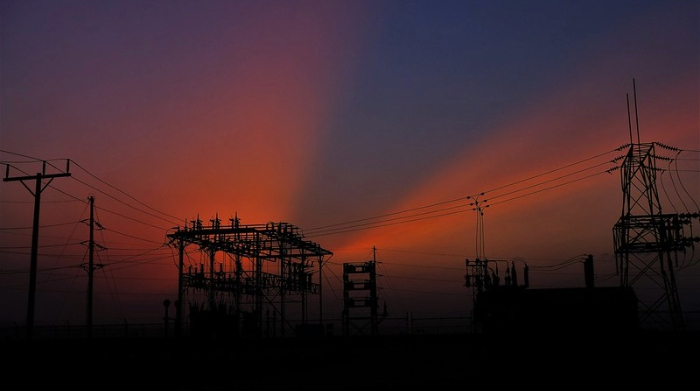
Image courtesy of Tim Vrtiska under Attribution-NoDerivs 2.0 Generic Deed, resized to 700 x 391 pixels.
Centralized remote monitoring is revolutionizing power plant operations, offering a streamlined and efficient approach to overseeing multiple facilities from a single, strategically located hub. This shift is driven by advancements in sensor technology, data analytics, and secure communication networks, enabling specialized teams to gain unprecedented visibility into the performance and health of geographically dispersed power plants.
Why Remote Monitoring Makes Sense
The core benefit lies in the ability to consolidate expertise. Instead of deploying specialized engineers and technicians to each individual plant, a centralized monitoring center allows a smaller, highly skilled team to oversee numerous facilities simultaneously. This maximizes resource utilization, reduces operational costs, and ensures consistent application of best practices.
Real-time data streaming from various sensors within the power plants provides a comprehensive overview of critical parameters, including temperature, pressure, vibration, and emissions. Sophisticated algorithms analyze this data to identify anomalies, predict potential equipment failures, and optimize performance. This predictive maintenance capability significantly reduces unplanned downtime, extends equipment lifespan, and improves overall plant reliability.
Moreover, centralized remote monitoring enhances safety. By continuously monitoring critical safety systems and environmental compliance parameters, the central team can quickly identify and respond to potential hazards, minimizing risks to personnel and the environment. Automated alerts and alarms trigger immediate investigations, allowing for proactive intervention before incidents escalate.
The implementation of centralized remote monitoring also facilitates better decision-making. With access to consolidated data and performance metrics, plant operators and management can make informed decisions regarding resource allocation, maintenance scheduling, and operational strategies. This leads to improved efficiency, reduced costs, and enhanced profitability.
In conclusion, centralized remote monitoring is reshaping power plant operations by enabling specialized teams to oversee multiple facilities from a single location. This approach optimizes resource utilization, enhances safety, improves reliability, and facilitates data-driven decision-making, ultimately leading to a more efficient, sustainable, and profitable power generation industry.