Unlocking Efficiency by Outsourcing Emergency Preparedness Training
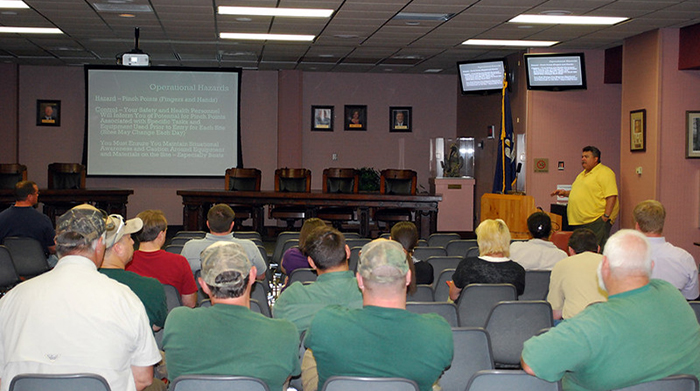
Image courtesy of Louisiana GOHSEP under Attribution-ShareAlike 2.0 Generic Deed, resized to 700 x 391 pixels.
Electric utilities of all shapes and sizes should consider outsourcing emergency preparedness training. Outsourcing this critical function offers a compelling array of benefits, allowing utilities to bolster their readiness, optimize resources, and access specialized expertise.
5 Advantages of Outsourcing Emergency Preparedness Training
There are several core advantages to outsourcing emergency training:
Cost-effectiveness: Developing and maintaining a comprehensive in-house training program requires substantial investment in curriculum development, specialized instructors, training facilities, and ongoing updates. Outsourcing shifts these costs to a third-party provider, often leveraging economies of scale and specialized infrastructure. This allows utilities to pay for tailored training only when needed, avoiding the overhead of a permanent, potentially underutilized, training department.
External expertise and best practices: External trainers are constantly exposed to the latest methodologies, incident response strategies, and regulatory changes across the industry. This external perspective ensures that training remains cutting-edge, incorporating lessons learned from real-world events and advanced simulation techniques that might be difficult or expensive to replicate internally.
Flexibility and scalability: Utilities can tailor outsourced training programs to specific needs, whether it’s widespread storm response, cybersecurity incident simulation, or infrastructure protection drills.
Ability to free up internal resources: Outsourcing training responsibilities allows people to redirect their focus to core operational duties, grid management, and customer service.
Access to advanced simulation and technology capabilities: Third-party training firms often have access to advanced technologies that can enhance training efforts, such as virtual reality, augmented reality, and sophisticated tabletop exercise platforms which help create highly realistic training scenarios. This leads to more effective skill development and a higher level of emergency preparedness when real-world incidents occur.
In the final analysis, utility employees are now expected to be able to seamlessly transition into their storm roles at a moment’s notice. Outsourcing emergency preparedness training represents a great choice for accomplishing this goal and can best be thought of as a strategic move for electric utilities seeking to enhance their resilience, optimize their investments, and ensure the safety and reliability of their operations.