NIPSCO Derecho Response Under Scrutiny
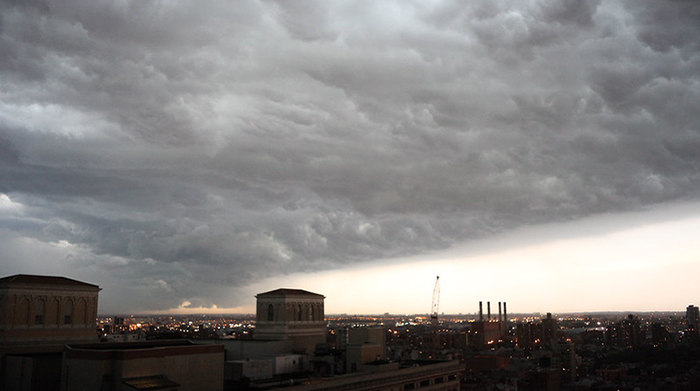
Image courtesy of Jesse Chan-Norris under Attribution-NonCommercial-NoDerivs 2.0 Generic Deed, resized to 700 x 391 pixels.
The derecho that swept through Northwest Indiana on August 11, 2026, left more than a line of darkened homes in its wake. The scale and suddenness of the event distinguished it from a localized equipment failure. The fast-moving and widespread windstorm caused substantial damage to trees, utility poles, wires and other electrical equipment across a wide area, creating a difficult restoration challenge for utility crews.
The devastating impact of the storm, and the effectiveness of the Northern Indiana Public Service Co. (NIPSCO) recovery effort, is currently under investigation by the Indiana Utility Regulatory Commission (IURC). Here’s where the investigation currently stands.
Status of the NIPSCO Derecho Investigation
The Aug. 11 derecho featured 100 MPH winds that damaged 1,500 poles and 5 transmission towers, causing a whopping 375,000 outages, some of which lasted for nearly 2 weeks. Due to its severity, the IURC wants to not only explain what happened, but also to identify lessons learned that could potentially reduce the duration and reach of future outages.
IURC will examine the storm’s timing and intensity, the locations and types of equipment damage, how protection systems performed, and how outage reports and restoration priorities were managed. It wants to see transparent updates, clear estimated restoration information, coordination with local emergency officials, and prompt attention to customers with urgent needs. The framework of the investigation will seek to distinguish damage caused directly by extreme winds from any operational or communication issues.
The outage’s full impact and the investigation’s findings should be provided in the near future, but no timetable was provided. Until those details are published, the most responsible conclusion is that the derecho exposed the vulnerability of not only NIPSCO’s infrastructure, but all regional infrastructure, to widespread severe winds – and that a public accounting of both the damage and the response, as well as an enhancement of emergency preparedness efforts, will be essential to improving resilience before the next storm.