How FEMA Reforms Are Impacting Hurricane-Season Prep in Florida
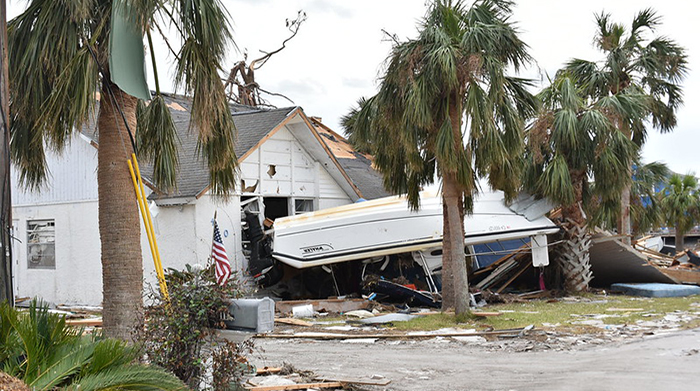
Image courtesy of Florida Fish and Wildlife under Attribution-NonCommercial-NoDerivs 2.0 Generic Deed, resized to 700 x 391 pixels.
As you probably know, the Trump Administration has floated a variety of FEMA reforms (Federal Emergency Management Agency) during the first half of 2025. This has created a plethora of uncertainty amongst emergency managers and utility companies across all states, but especially in Florida, which is obviously extremely vulnerable to hurricane activity.
So, what are Florida’s emergency managers and utilities planning to do in the face of this uncertainty? The answer isn’t blowin’ in the wind…the answer is business as usual.
Impact of Potential FEMA Reforms in Florida
Although the state has a ton of experience operating before, during and after a hurricane, it still relies on funding from FEMA – to the tune of tens of billions of dollars over the years. Typically, FEMA reimburses 75% of the state’s recovery costs, but the agency will often agree to reimburse 100% depending on the level of devastation.
This level of FEMA funding has been an absolute godsend for the rural areas of Florida. Unfortunately, the days of 100% reimbursement by FEMA appear to be numbered, as the agency seems to be a target of Trump’s ‘wasteful government spending’ agenda.
As such, the acting FEMA administrator in April 2025 issued a memo stating that costs would no longer be covered at a level greater than 75%. Since then, a new administrator has been appointed (David Richardson), and he is investigating the possibility of reorganizing or even winding down FEMA after this year’s hurricane season ends in November.
As you can see, this situation remains in a state of flux. Therefore, Florida’s emergency managers and utility leaders can only do one thing, and that is prepare as they always have and worry about reimbursements later. They have no control or even influence over any of the potential FEMA reforms, reorganizations or recalibrations, so really the only option when it comes to emergency preparedness is business as usual.