Reducing Liability Risks from Extreme Weather Events
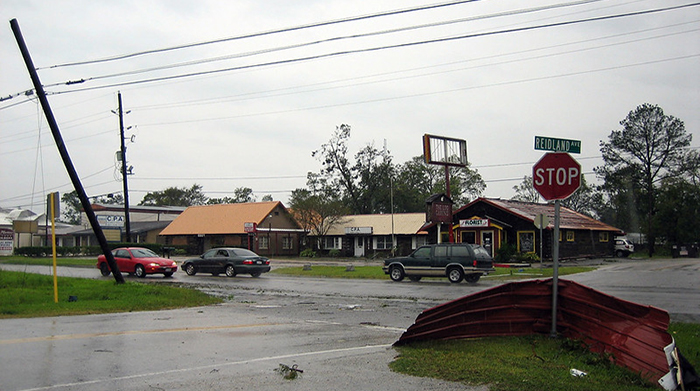
Image courtesy of dasroofless under Attribution-NonCommercial-NoDerivs 2.0 Generic Deed, resized to 700 x 391 pixels.
There’s little doubt that electric utilities worldwide are staring down the barrel of escalating liability risks as climate change intensifies the frequency and severity of extreme weather events like wildfires, droughts, hurricanes, and prolonged heatwaves.
Even though utilities can’t control the weather, there is increasing momentum from regulators to try and hold them accountable. Claims of negligence and/or failure to adequately prepare are increasingly common and can lead to significant financial penalties, reputational damage, and legal battles.
To mitigate these burgeoning risks, utilities must adopt a multifaceted and proactive approach.
4 Strategies for Reducing Weather-Related Liability Risks
One strategy for reducing climate-related liability risks involves grid hardening and modernization. This includes things like upgrading to more weather-resistant materials, undergrounding transmission lines where feasible, implementing advanced vegetation management techniques, and deploying smart grid technologies like solar microgrids and distributed energy resources (DERs) to help maintain power delivery even if the broader grid experiences outages.
Another key strategy is to weave comprehensive climate risk assessments and long-term adaptation planning into the emergency preparedness process, including scenario planning and executing exercises and drills. The idea here is to identify specific vulnerabilities within your service territory that must be planned for, and then incorporate the necessary mitigation steps into the emergency plan.
A third strategy is to engage in proactive regulatory engagement. In a perfect world, utilities would collaborate with policymakers to develop supportive regulatory frameworks that incentivize resilience investments and enable cost recovery for necessary upgrades. While this may seem easier said than done, it’s a needle mover if you can pull it off because you’re no longer just playing the game…you’re making the rules!
Finally, decarbonization is another key strategy. Transitioning away from fossil fuels to renewable energy sources like solar and wind not only aligns with global climate goals but also reduces regulatory and reputational risks associated with greenhouse gas emissions. This shift can also diversify energy portfolios, making them less susceptible to commodity price volatility or supply chain disruptions tied to fossil fuels.
In the final analysis, climate-related liability risks are only going to increase for utilities going forward. The key is to adapt by building a metaphorical fortress around the company and its operations, to the extent possible.