How Utilities Can Use Autonomous Drones for Transmission Line Inspections
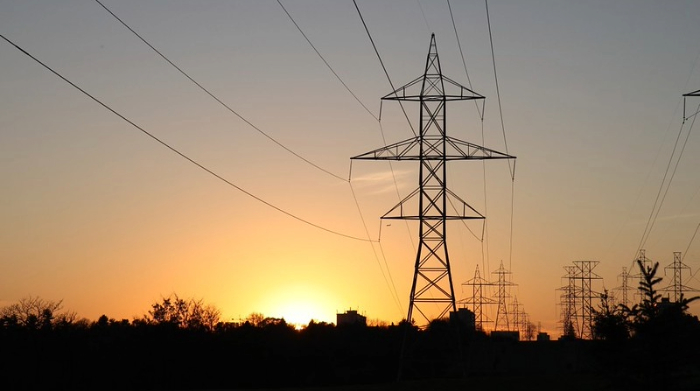
Image courtesy of Nayuki under Attribution 2.0 Generic Deed, resized to 700 x 391 pixels.
Autonomous drones are emerging as a game-changing solution for electric utilities when it comes to maintaining extensive networks of long-range transmission lines, as they offer a safer, more efficient, and data-rich approach to transmission line inspections. Rather than dispatching helicopters or climbing towers in remote areas, autonomous drones can be remotely controlled to get the job done quickly.
The Role of Autonomous Drones
Autonomous drones, equipped with GPS, artificial intelligence (AI), and advanced sensors and imaging technology, can navigate pre-programmed routes along transmission lines, capturing high-resolution visual and thermal data. This data allows utilities to identify potential problems such as corrosion, damaged insulators, vegetation encroachment, and other anomalies that could lead to outages.
There are many benefits for electric utilities willing to leverage the power of drones, including:
- Enhanced safety: Drones eliminate the need for personnel to physically climb towers or traverse difficult terrain, reducing the risk of accidents and injuries.
- Improved efficiency: Drones can cover vast distances in a fraction of the time compared to traditional methods, enabling faster and more frequent inspections.
- High-quality data: Drones equipped with high-resolution cameras and thermal sensors provide detailed images and data, allowing for more accurate assessments of line conditions.
- Cost savings: By reducing labor costs, minimizing downtime, and preventing costly equipment failures, drones can significantly lower inspection expenses.
- Predictive maintenance: By analyzing drone-collected data, utilities can identify patterns and trends, enabling them to proactively address potential issues before they escalate into major problems.
In the final analysis, there would appear to be a plethora of benefits for using drones to inspect transmission lines – including but not limited to improving safety, enhancing efficiency, reducing costs, and gaining valuable insights into the condition of infrastructure. And as drone technology continues to advance, its role in transmission line inspections will only become more prominent, helping utilities ensure reliable and resilient power delivery.
There’s little doubt – autonomous drones are revolutionizing long-range transmission line inspections for electric utilities, and this directly helps emergency preparedness by improving reliability and reducing outages.