Utility Vegetation Management Via Sheep Grazing Gains Steam
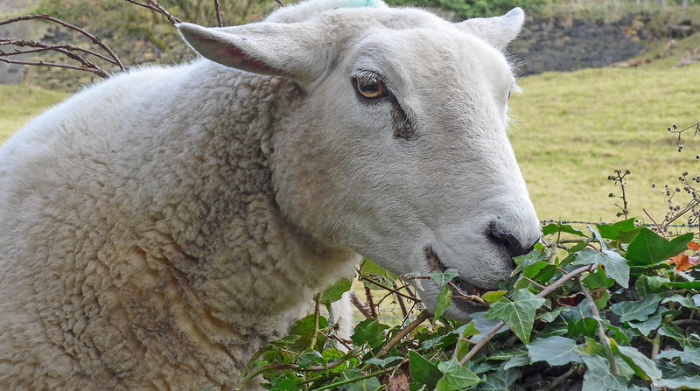
Image courtesy of Tim Green under Attribution 2.0 Generic Deed, resized to 700 x 391 pixels.
Some electric utilities are using sheep grazing to fortify their vegetation management practices, especially as it relates to solar fields. While this is an increasingly popular practice among utility companies because of its numerous benefits, it can also present certain challenges that must be carefully considered.
Should More Utilities Use Sheep Grazing to Keep Solar Fields Clear?
Sheep grazing has really taken off the past few years. The American Solar Grazing Association (AGSA) estimates that about 130,000 acres of U.S. ground-mounted solar sites now use sheep for vegetation management, accounting for about 10% of all such sites nationwide. This is up from just 15,000 acres in 2021.
There are a few reasons for this increasing popularity. For one, it’s cheap. A 2023 study found that sheep grazing on solar farms was cheaper than both mowing and applying herbicide ($279 per hectare per year vs. $299 and $724, respectively).
Another benefit is that this method is environmentally friendly. Unlike traditional methods like mowing or herbicide application, it does not produce any emissions and reduces the need to use chemicals. Sheep naturally fertilize the land, promoting biodiversity and healthy soil, and can access difficult-to-reach areas like steep slopes or wetlands.
However, there are potential drawbacks to consider. For one, its success depends heavily on careful planning and management. Factors like the breed of sheep, the size of the herd, and the grazing schedule must be tailored to the specific vegetation type and terrain. Inadequate management can lead to overgrazing, soil erosion, and damage to sensitive plant species.
Another challenge is that sheep are vulnerable to predators such as coyotes and wild dogs, as well as certain diseases and parasites, requiring regular veterinary care and monitoring.
Finally, public perception can also play a role. While most people are likely to view the practice positively, some may have concerns about animal welfare or the impact on recreational activities. Effective communication and community engagement practices are essential to address these concerns and ensure successful implementation.
That said, there seems to be more pros than cons, and therefore any electric utility operating largescale solar operations should give sheep grazing a hard look.