Why Workforce Stability is the Key to Grid Reliability
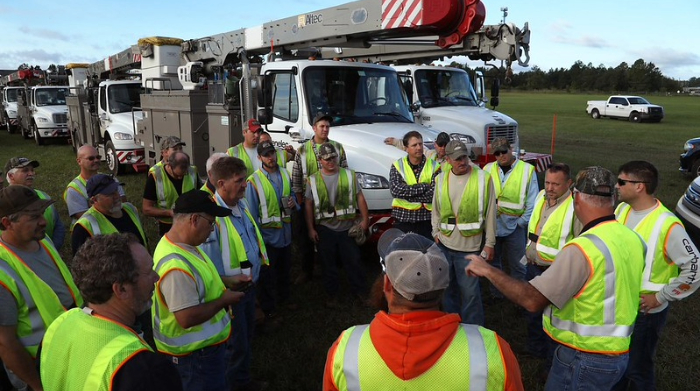
Image courtesy of FirstEnergy under Attribution-NoDerivs 2.0 Generic Deed, resized to 700 x 391 pixels.
Workforce stability is the cornerstone of grid reliability because, despite rapid advancements in technology, people are still what makes the proverbial engine run. Unfortunately, the industry is bracing for a massive wave of retirements over the next decade.
Crucial Benefits of Workforce Stability for the Grid
Simply put, experience matters, especially when it comes to storm restoration. Dangerous post-storm conditions require a level of expertise that can only be assured with a plethora of experience and training.
Aside from the obvious, there are many qualitative benefits of workforce stability. It helps build a culture of trust and empowerment, both of which can motivate employees to go the extra mile…or at least do their jobs professionally.
Similarly, employees who feel valued can be expected to have stronger mental fortitude as it relates to performing their job, a critical element of reducing errors. Toxic cultures breed indifference at best, and employee burnout at worst.
It also directly correlates with a focus on safety, as satisfied and appreciated employees are less likely to cut corners, be it safety or something else.
Utilities should focus on the following action items to bolster workforce stability:
- Provide employees with opportunities for professional development, growth, and recognition for their hard work.
- Enhanced training to keep pace with rapidly changing technology.
- Increase the frequency of training around safety protocols that encompass physical and mental well-being.
- Establish a referral program that rewards employees for recommending new employees.
- Develop a process to audit technical and safety protocols in the field, and take corrective action when needed.
In the final analysis, the U.S. power grid has benefited from many technological advancements over the past few decades, but people are still what stirs the drink. Employees need to feel valued, trusted, and equipped with the knowledge and tools to perform their jobs successfully. Without these cultural elements firmly entrenched, workforce stability can never be optimized.