Using Outage Text Alerts Increases Customer Satisfaction
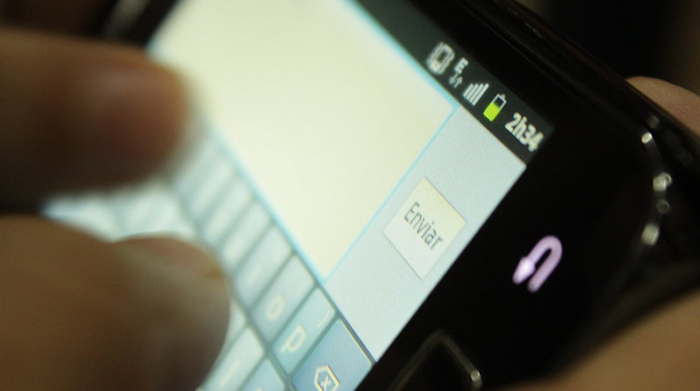
Image courtesy of Melina Sampaio Manfrinatti under Attribution-ShareAlike 2.0 Generic Deed, resized to 700 x 391 pixels.
More electric utilities across the U.S. are implementing outage text alerts. Not only is texting a fast, reliable, and cost-effective way to reach a large number of people quickly, it can also enhance customer satisfaction because it’s a convenient way for customers to get the information they need without having to call or visit the utility’s website. Read on to learn more about this communication tactic.
How to Implement Outage Text Alerts
As you might imagine, multiple mass-texting technologies exist, so the choice of which technology to utilize really boils down to the needs and requirements of the company.
As just one example, Texas-based College Station Utilities recently deployed outage text alerts via TextPower, a company that provides mission-critical communications via text. The technology was integrated with the utility’s outage management system (OMS), and the deployment was relatively straightforward.
With TextPower, customers can easily turn off notifications and add additional contact numbers as needed. And for College Station Utilities, the technology makes it easy to keep the contact database up to date. The utility also uses it to communicate estimated times of restoration (ETRs) during longer outages.
Of course, there are other use cases for texting beyond outage notifications. For example, they can be used to send bill reminders, planned work communications, payment confirmations, appointment reminders, promotional offers, energy-saving tips, weather alerts, water conservation alerts, and much more.
Generally speaking, to receive text messages from their utility, customers usually need to opt-in to the service. This can be done by visiting the utility’s website or by texting a specific keyword to a designated phone number.
When implementing texting programs, utilities should take care to protect customer privacy. This includes obtaining consent before sending text messages, providing customers with the ability to opt-out of receiving messages, and ensuring that customer data is stored securely.
Overall, texting, especially utilization of outage text alerts, is a valuable emergency preparedness tool that electric utilities can use to improve communication and customer satisfaction.