Why Outage Communication Drives Customer Satisfaction
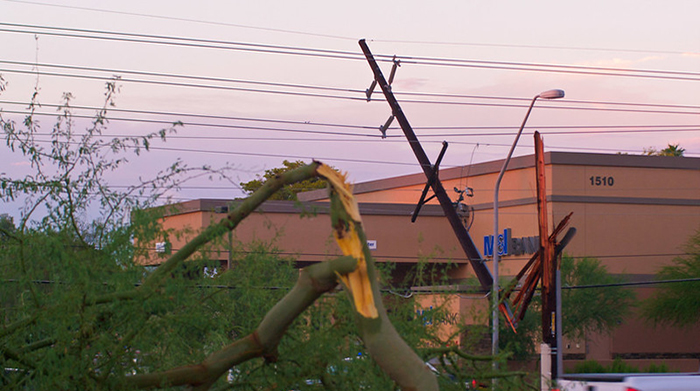
Image courtesy of Jasper Nance under Attribution-NonCommercial-NoDerivs 2.0 Generic Deed, resized to 700 x 391 pixels.
Recent research has confirmed what we already know – utility customers demand proactive and helpful outage communication. Simply put, when the lights go out, a utility’s communication becomes part of the service customers are judging – not an extra courtesy.
Recent Findings Support the Criticality of Optimal Outage Communication
The EIA recently reported that the average electricity customer experiences about 5.5 hours of power interruptions a year, including major events. And when service is interrupted, clear updates can reduce uncertainty – customers want to know what happened, which areas are affected, and when power is expected to return.
That expectation is reflected in J.D. Power’s 2024 Electric Utility Residential Customer Satisfaction Study, which evaluates utilities across factors including outage communication and reliability. Its findings reinforce a practical point: customer experience is shaped not only by whether service is dependable, but by how well the utility keeps people informed when it is not.
Good outage communication is timely, specific, and consistent. A brief message confirming the outage is better than silence; an estimated restoration time is more useful when it explains that it may change. Updates should arrive through channels customers actually use – such as text, email, an outage map, or a phone line – and should be accessible to people with disabilities and available in relevant languages. If crews are still investigating, saying so is better than leaving customers to guess.
Communication also helps customers make decisions. They can arrange a safe place to work, protect refrigerated medicine, check on neighbors, or avoid a hazardous area. When an estimate changes, explaining why can preserve credibility, even if the news is disappointing.
The bottom line is that we obviously cannot promise that outages won’t occur, but we can promise to communicate honestly, regularly, and with empathy. Reliability remains essential, but during an outage, information is part of reliability: it shows customers that the utility recognizes the disruption and is actively responding. That’s why strong outage communication can turn a frustrating event into a more manageable customer experience.