Lightning-Sparked Wildfires Projected to Increase
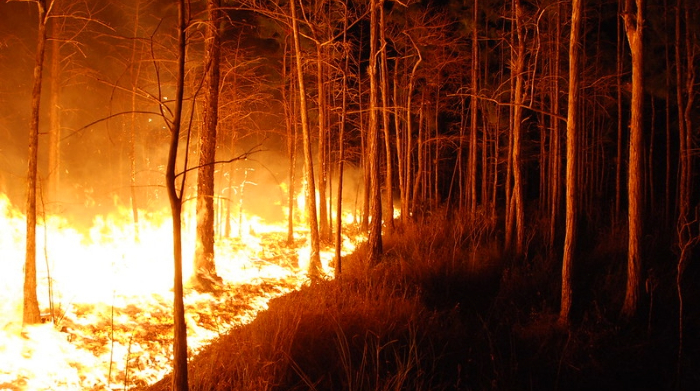
Image courtesy of U.S. Fish and Wildlife Service Southeast Region under Attribution 2.0 Generic, resized to 700 x 391 pixels.
Recent research has revealed that, unfortunately, climate change has increased the frequency of lightning-sparked wildfires. These types of wildfires are often larger than those caused by people, create more smoke, and tend to be especially common in remote areas. This could have a substantial impact on electric utilities, particularly ones operating in lightning-prone states like Florida.
Why Lightning-Sparked Wildfires are on the Rise
While the southeastern states have always experienced higher-than-average lightning, statistics show that storms with lightning have been increasing in frequency in the Western part of the U.S. for at least the past 4 decades. Similar trends can be seen in other countries like Canada and Spain.
A report by the AGU backs this up. The researchers predicted future lighting trends based on projections around variables such as air temperature, humidity, wind and soil moisture, among others. The results are clear – the risk of lightning-sparked wildfires has increased.
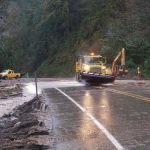
Another pitfall identified by the study is that the increase in wildfire activity increases the tangential threats of mud slides, flash floods, and even an acceleration in glacial melting. Additionally, there is a shortage of firefighting resources in the U.S. – for example, as of July 2025, about 25% of the U.S. Forest Service firefighting positions remained unfulfilled. All these factors could result in obstacles impacting response and recovery operations following an outage.
The report does offer potential remedies, such as enhancing basic fire safety building codes, upgrading building materials, and erecting agricultural buffers around cities to shield homes and residents from an approaching wildfire.
However, these are Band-Aid solutions that do not impact the underlying root cause of the problem. Perhaps these tactics could cut the severity of the problem by some percentage in the long run, but in the aggregate, it’s still not enough of a benefit to be felt by electric utility personnel restoring power.
At the end of the day, the frequency of lightning-sparked wildfires will grow whether we like it or not. The key is to incorporate this growing risk into storm restoration plans.