Why Restoring Nuclear Plants is an Effective Clean Energy Strategy
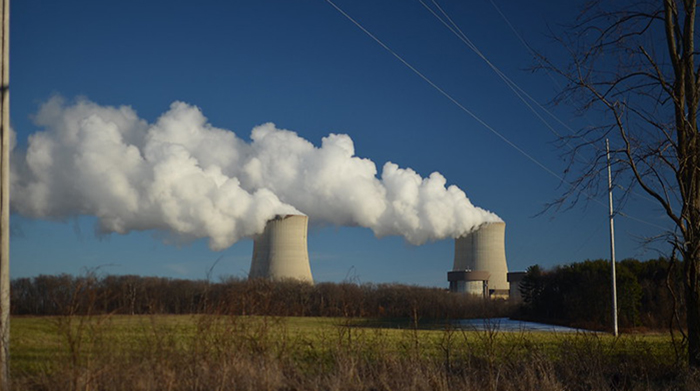
Image courtesy of Michael Kappel under Attribution-NonCommercial 2.0 Generic Deed, resized to 700 x 391 pixels.
The quest for reliable clean energy is leading the industry back to a familiar frontier: restoring nuclear plants that were previously shuttered. While the idea of “restarting” a closed reactor might sound complex, it presents a potentially cost-effective and environmentally sound solution to our growing electricity demands.
Nuts and Bolts of Restoring Nuclear Plants
The process of bringing a dormant nuclear plant back online is a multi-stage undertaking. It begins with a meticulous and exhaustive assessment of the plant’s current condition, encompassing detailed inspections of all critical components and systems such as the reactor vessel, steam generators, control rod drive mechanisms, and containment structures. Material aging is a significant concern, and thorough testing is crucial to ensure components can withstand renewed operational stresses.
Following the assessment, a comprehensive refurbishment plan can be developed and executed. This can involve replacing aging components, upgrading safety systems to meet current regulatory standards, and re-certifying all equipment. Extensive personnel training and retraining are also vital to ensure operators are fully proficient with the plant’s restored capabilities and any updated procedures. Finally, the plant undergoes rigorous testing and regulatory approval before it can be technically considered operational again.
The primary challenge lies in the sheer scale and cost of these assessments and refurbishments. While a fully new plant incurs massive design and construction expenses, a restarted facility has the advantage of existing infrastructure. The upfront investment, though substantial, can be significantly lower than building a new nuclear power station from scratch. Furthermore, the lengthy construction timelines for new builds are avoided, meaning a quicker path to generating carbon-free electricity.
The argument for restarting is compelling. These plants, at one point deemed essential, already possess the core infrastructure and licensing frameworks (albeit requiring updates). This existing foundation dramatically reduces the economic barrier compared to greenfield projects.
There’s little doubt, by leveraging established infrastructure, including restoring nuclear plants, we can potentially unlock vast amounts of renewable energy at a fraction of the cost and time of new construction, offering a pragmatic step towards a cleaner energy future.