Why Tidal Energy Development in the U.S. is Lagging
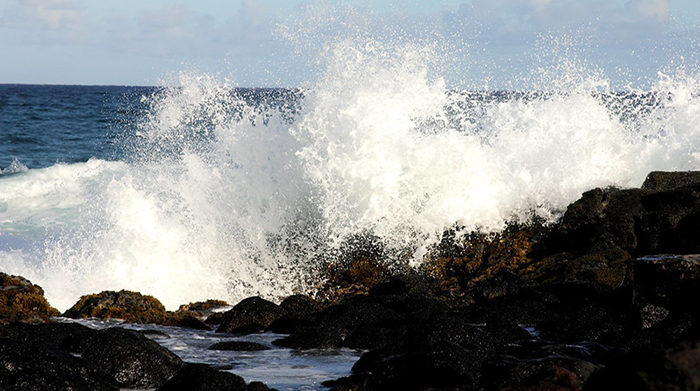
Image courtesy of Steve Shupe under Attribution-NonCommercial 2.0 Generic Deed, resized to 700 x 391 pixels.
Harnessing the power of the ocean has long been a dream for sustainable energy advocates. While solar and wind power have gained considerable traction, tidal energy AKA ocean power, with its predictable and consistent nature, remains a largely untapped resource, particularly in the U.S.
One key factor hindering its development is the complexity of understanding and monitoring the underwater environment where these tidal energy systems operate. The solution? Deploy underwater cameras to prove there is no negative environmental impact.
How Underwater Cameras Can Save the U.S. Tidal Energy Industry
Underwater cameras, by offering real-time visual data, enable engineers and scientists to monitor the performance of turbines, identify potential issues, and optimize their design for maximum efficiency.
Observing how marine life interacts with the turbines is also crucial. Underwater cameras can help researchers understand the impact on local ecosystems and develop strategies to minimize any negative effects, addressing environmental concerns that are paramount to the responsible development of tidal energy.
Another benefit relates to the maintenance and repair of underwater turbines. Instead of relying solely on costly and time-consuming physical inspections, technicians can use camera footage to diagnose problems remotely, reducing the need for interventions, lowering operational costs, and extending the shelf life of the equipment. Advanced camera systems with features like remote control, zoom, and low-light capabilities provide detailed insights, even in challenging underwater conditions.
Additionally, by collecting long-term data on tidal flow, sediment movement, and marine life behavior, underwater cameras contribute to a more comprehensive understanding of the tidal energy environment. This information is invaluable for selecting optimal sites for future installations, predicting potential environmental impacts, and developing more robust and environmentally friendly turbine designs.
There’s no doubt about it; the deployment of underwater cameras is mandatory if the ocean power sector in the U.S. expects to catch up to the progress other countries like China have made in recent years. Tidal energy is reliable and cost effective, and I for one hope to see some faster progress here in the coming years.