How Regional Weather Differences Complicate Preparedness
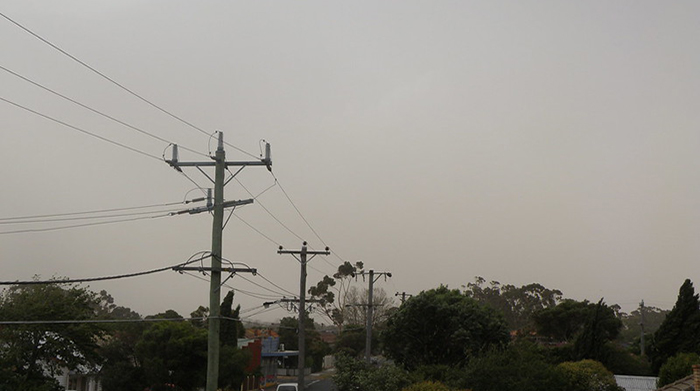
Image courtesy of Benjamin Solah under Attribution-NonCommercial-NoDerivs 2.0 Generic Deed, resized to 700 x 391 pixels.
According to University of Connecticut (UConn) researchers, utility emergency preparedness efforts must account for regional weather differences. One of the biggest factors that trigger outages is heat, and there are nuances across regions when it comes to heat-triggered outages. The purpose of today’s post is to summarize these interesting findings.
Factors Causing Regional Weather Differences
The multi-year study delves into how heat waves impact power outages in different regions across the U.S. – covering all 8 Independent Service Operator (ISO) authorities. And it’s unique because its core analysis combines weather events and county-level outage data across the country, something that has, apparently, not previously been done.
Generally, the study notes that extreme weather events are usually preceded by high heat days. Heatwaves in particular trigger other phenomenon like rain, lightning, and wind. But this can vary. For example, in Texas, periods of intense rain often follow a heatwave. In California, wind and wildfires can follow in the footsteps of a heatwave.
Interestingly, the study observed fewer outages in Florida than what might be expected based on the predictive weather data. The conclusion is that Florida utilities have done a great job hardening their systems, something that they have probably been forced into due to the ongoing (and rising) threat of hurricane activity.
And therein lies the focal point of the study’s conclusions – utilities in different regions are exposed to different weather threats, and therefore their emergency plans and preparedness efforts must cater to each unique situation.
The good news is that the study seems to be getting a decent amount of attention from policy makers and media outlets, which will help spread the word. It should also serve as another data point for how climate change needs to be addressed.
That said, electric utilities are not naïve. They clearly recognize the need to account for regional weather differences in their planning processes. But a reminder certainly never hurts!