2026 Renewable Energy Outlook
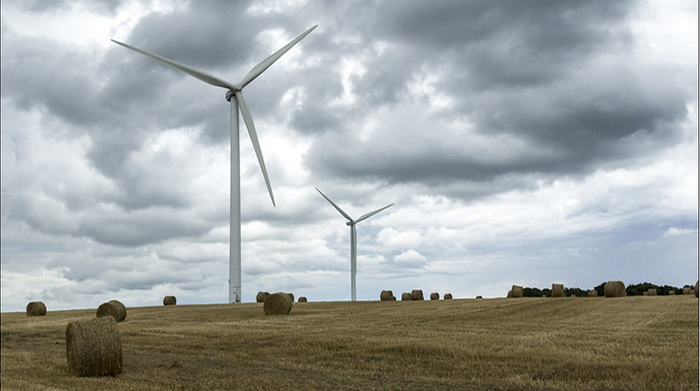
Image courtesy of Francis ROBERT under Attribution-NonCommercial-ShareAlike 2.0 Generic Deed, resized to 700 x 391 pixels.
The renewable energy sector in the U.S. is poised for substantial growth, driven by increasing demand, supportive policies, and technological advancements. Solar and wind energy are expected to lead the expansion, with significant contributions from hydropower generation, geothermal, and biomass.
Risks and Growth Drivers for the Renewable Energy Sector
Here are the key factors that will support expansion of clean energy:
- Policy Support: Federal and state-level incentives, tax credits, and renewable portfolio standards (RPS) are crucial in driving investment and deployment. The extension of the Investment Tax Credit (ITC) and Production Tax Credit (PTC) will continue to incentivize solar and wind projects.
- Cost Competitiveness: The declining costs of renewable technologies, particularly solar and wind, make them increasingly competitive with traditional fossil fuels. This cost parity is driving greater adoption by utilities and businesses.
- Corporate Sustainability Goals: Many corporations are setting ambitious clean energy targets to reduce their carbon footprint and meet environmental, social, and governance (ESG) goals.
However, this is not without risks:
- Supply Chain Constraints: Disruptions in the global supply chain could impact the availability and cost of critical components for clean energy projects, such as solar panels and wind turbines.
- Grid Infrastructure Limitations: The existing grid infrastructure may not be adequate to handle the increasing influx of renewable sources. Upgrades and expansions are necessary to ensure reliable transmission and distribution.
- Policy Uncertainty: Changes in government policies, such as revisions to tax credits or RPS, could create uncertainty and hinder investment in renewable energy projects.
In the final analysis, renewable energy is poised for continued growth, but this will rely on investing in grid infrastructure upgrades, including smart grids and energy storage technologies; diversifying beyond wind and solar and into other renewable sources like geothermal, biomass, and hydropower; developing a skilled workforce capable of deploying, operating, and maintaining renewable energy systems; streamlining permitting processes; and engaging in collaboration with government, industry, and research institutions.