Record Snow Drought is Bad News for Utilities Out West
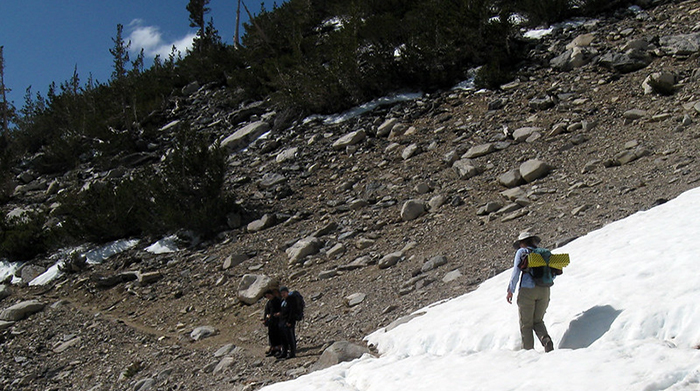
Image courtesy of Mitch Barrie under Attribution-ShareAlike 2.0 Generic Deed, resized to 700 x 391 pixels.
One thing that doesn’t get talked about enough is the current snow drought in the western part of the U.S. According to scientists and other people much smarter than me, average snow depths, as well as the percentage of the country that has snow cover at all, are as low as scientists have seen in decades. Simply put, it’s been too warm to snow. This, unfortunately, does not bode well for the utilities that operate in these areas.
Impact of the Snow Drought
According to the National Snow and Ice Data Center, normal snow cover this time of year should be around 460k square miles, but currently, it’s only at 155k square miles, or about 34% of average. In fact, Oregon, Colorado and Utah have reported their lowest statewide snowpack since the early 1980s, a marker of how unprecedented this is.
One concern with the snow drought relates to the impact on water supply. Typically, snowpacks melt gradually as temperatures warm, providing a steady flow of water into rivers and streams, ensuring a supply of water lasting throughout the year. Unfortunately, this year’s low snow depth will likely result in a water shortage later in 2026.
The other main concern is the increase in wildfire risk. When snow melts away earlier in the season than normal, the ground is dryer for longer, and exposed to warmer temperatures for longer periods of time. And the resulting dried out soil and vegetation is obviously more prone to igniting.
The double whammy here is that fires will likely be more frequent and severe, yet the water needed to extinguish them could be inadequate. Therefore, utilities out west, especially electric utilities, hydropower operators, and water utilities, should juice up their emergency plans for this scenario. For example, what would the best course of action be if there was not enough water to put out the fires?
The bottom line is that this year’s snow drought should be taken seriously, and planned for accordingly.