Lessons Remain 21 Years After Hurricane Katrina
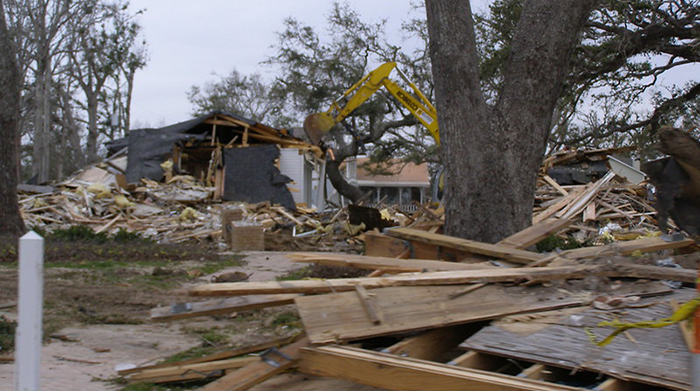
Image courtesy of RNCB under Attribution-NonCommercial 2.0 Generic Deed, resized to 700 x 391 pixels.
Twenty-one years after Hurricane Katrina, the lessons learned from the devastating storm continue to hold crucial relevance for emergency preparedness and response. Simply put, the disaster was largely unprecedented and has left an enduring impact that offers many critical takeaways to guide future efforts.
The Enduring Lessons Learned from Hurricane Katrina
One of the most significant lessons from Katrina was the profound impact of systemic failures and inequities. The storm disproportionately affected vulnerable populations, highlighting how pre-existing socioeconomic disparities exacerbate disaster impacts. This underscored the need for emergency plans to proactively address the needs of all community members, especially those with limited resources or mobility.
Additionally, the critical importance of effective communication and coordination among various levels of government and agencies cannot be understated. Katrina exposed significant breakdowns in communication, leading to confusion, delays, and a fragmented response. The lesson is that strengthening interagency collaboration, establishing clear chains of command, and utilizing robust communication technologies are paramount.
Hurricane Katrina was also a good reminder of the importance of the human element of disaster response. Katrina revealed the critical need for adequate staffing, training, and resources for emergency personnel. The mental and physical well-being of those on the front lines also demands attention and support.
In addition, an often-overlooked aspect of storm recovery is the importance of community resilience and citizen preparedness. Empowering individuals and communities with knowledge and resources to prepare for and respond to emergencies is a vital component of a comprehensive disaster management strategy. This includes fostering local preparedness initiatives and ensuring that communities have the capacity to support themselves in the initial hours and days following a disaster.
In the final analysis, Hurricane Katrina served as a harsh but invaluable teacher. The lessons learned regarding systemic inequities, interagency coordination, resource allocation, and community resilience remain essential for building a more robust and equitable emergency preparedness framework. By internalizing and acting upon these enduring lessons, we can strive to mitigate the impact of future disasters and better protect all communities.