Winter 2026 Saw a Sharp Decline in Unplanned Outages
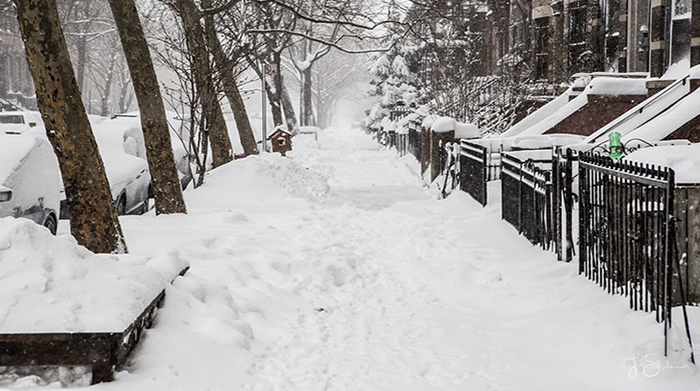
Image courtesy of Joe Schulz under Attribution-NonCommercial 2.0 Generic Deed, resized to 700 x 391 pixels.
The 2025/2026 winter season, which I’ll call “winter 2026” for the purposes of this post, was certainly a doozy. But the good news is that, according to a new report, the power grid held up remarkably well.
The joint report from the Federal Energy Regulatory Commission (FERC) and the North American Electric Reliability Corporation (NERC) on the grid’s performance during this period highlights the progress made in winterization – but also, unfortunately, the persistent vulnerabilities that remain. Hey, it can’t all be good, right?
Assessment of the Power Grid During Winter 2026
One of the most encouraging findings from the report is the measurable impact of the reliability standards implemented following previous storms. The report notes that generating units that adhered to the latest power plant winterization protocols saw a 40% reduction in mechanical failures compared to the 2021 and 2022 events. This suggests that the industry’s shift toward mandatory power plant winter preparedness is yielding tangible results in keeping the lights on when temperatures plummet.
Despite improvements in the power sector, the report underscores the ongoing “interdependency crisis” between the electric and natural gas industries. Fuel procurement issues and natural gas pipeline pressure drops accounted for nearly half of the unplanned outages during the peak of the 2026 freeze. The findings call for more robust coordination and potentially new regulatory frameworks to ensure gas-fired generators have firm fuel supplies during emergencies.
The report concludes with several urgent recommendations:
- Enhanced Weatherization: Expanding requirements to include more comprehensive insulation and heat-trace monitoring.
- Fuel Security: Improving real-time communication between gas pipeline operators and grid balancing authorities.
- Demand Response: Leveraging consumer-side flexibility to reduce peak strain.
Yes, winter 2026 was brutal for many of us, but it proved that the grid is becoming more resilient. That said, the report also serves as a reminder that reliability is a moving target, and that emergency preparedness remains essential to preserving service during extreme winter weather.