Report Warns of a Reliability Crisis in Pennsylvania by 2030
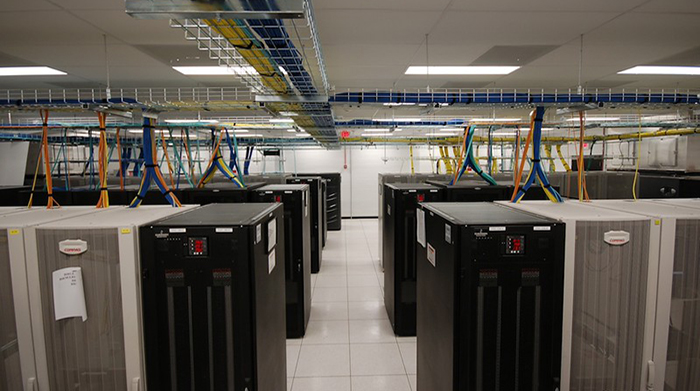
Image courtesy of Judson Weinsheimer under Attribution-NonCommercial-NoDerivs 2.0 Generic Deed, resized to 700 x 391 pixels.
Pennsylvania may be staring down the barrel of an upcoming reliability crisis, at least according to a new report.
Indeed, a new study commissioned by the Pennsylvania Public Utility Commission (PUC) and conducted by Synapse Energy Economics paints a sobering picture of the state’s energy future. Titled “Assessing Electricity Resource Adequacy in Pennsylvania and PJM,” the report warns of a tightening squeeze between surging demand and a shrinking supply of reliable power.
What is Driving PA’s Potential Reliability Crisis?
The report identifies two primary forces driving this reliability crisis. On the demand side, Pennsylvania and the broader PJM Interconnection region are seeing unprecedented load growth attributed to “large load customers,” specifically data centers. As the report notes, unlike traditional residential or industrial use, data centers provide a “flat” demand profile, meaning they pull heavy power 24/7, leaving the grid with little room to breathe.
On the supply side, the grid is losing its buffer. Aging gas and coal-fired power plants are retiring at a pace that new resource deployment – hampered by interconnection backlogs and economic hurdles – cannot match.
The study modeled three scenarios for 2030, and the results are a wake-up call for policymakers:
- Reference Scenario: Projects a Loss of Load Expectation (LOLE) six times higher than the PJM forecast.
- High Load/Low Supply Scenario: This “worst-case” projection suggests reliability events could be 132 times higher than the target, potentially leading to over 13 days of outages per year by 2030.
- No New Data Centers: This is the only scenario where the grid remains comfortably within reliability targets, highlighting the massive impact of the tech sector on regional energy security.
The bottom line: By the mid-2030s, the report warns that PJM may face hundreds of terawatt-hours of unmet load, as neighboring regions will likely be too stressed to offer support. Yikes!
For Pennsylvania, the message is clear: Avoiding a reliability crisis 4 years from now will require urgent policy intervention to fast-track new generation and manage the transition before the lights begin to flicker.