Growing Hydropower Licensing Requirements Causes Concern
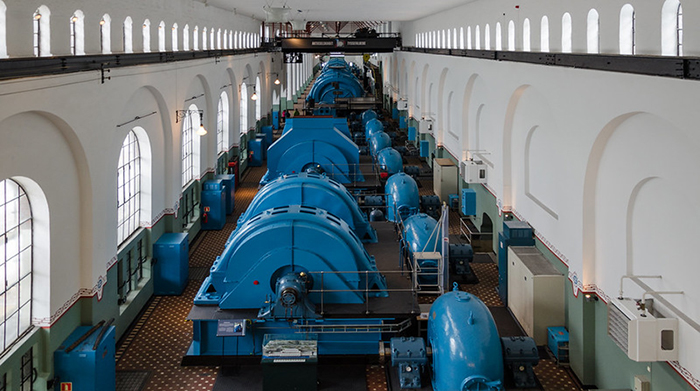
Image courtesy of Astrid Westvang under Attribution-NonCommercial-NoDerivs 2.0 Generic Deed, resized to 700 x 391 pixels.
A tenfold rise in mandatory hydropower licensing conditions for U.S. projects since 1980 signals a more demanding bargain between operators and the public – and creates consequences for utilities and the grid.
Why the Exploding Hydropower Licensing Requirements Matter
Many conditions address legitimate concerns: fish passage, river flows, water quality, recreation, and tribal or cultural resources. Better safeguards can reduce ecological damage and conflict, strengthening a project’s social license.
But increased requirements can mean capital spending, recurring costs, monitoring duties, and limits on when or how much a facility generates. Small municipal utilities and owners of older projects may have less capacity to absorb these burdens than large companies.
Simply put, licensing uncertainty and delays makes dependable, flexible generation harder to plan around. Relicensing can take years, and contested studies or litigation may postpone investment indefinitely. Owners facing costly upgrades may defer maintenance, reduce output, or decline seeking a new license. If several plants face these pressures in one region, replacement power may be needed before new transmission, storage, or generation is ready.
Hydropower’s value extends beyond annual megawatt-hours. Reservoir and pumped-storage facilities can ramp quickly, support frequency and voltage, and balance variable wind and solar. Lost flexibility can raise system costs and complicate reliability planning, especially during climate extremes or transmission constraints. Yet weakening environmental protections is no simple solution: damaged watersheds and unresolved community concerns can cause lasting harm and future disputes.
The challenge is to make licensing rigorous but predictable. Agencies, utilities, and communities need early coordination, clear schedules, transparent evidence standards, and conditions proportionate to actual impacts. Financing and technical assistance can help smaller owners comply without sacrificing reliability. Grid planners should model relicensing outcomes, identify vulnerable plants, and arrange substitutes before capacity is at risk.
At the end of the day, a tenfold increase does not prove that rules are excessive – or that reliability has worsened. But it does show why hydropower licensing is now an infrastructure issue.