Enhancing Crew Safety by Modernizing Utility Emergency Response
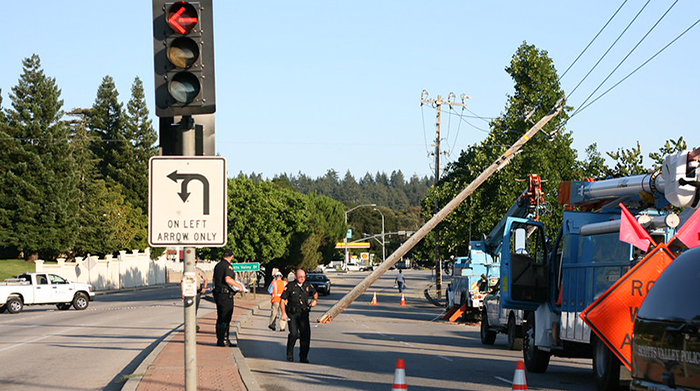
Image courtesy of Richard Masoner under Attribution-ShareAlike 2.0 Generic Deed, resized to 700 x 391 pixels.
Electric utilities are obviously under growing pressure to maintain reliability, but they cannot sacrifice crew safety to achieve these goals. There must be a happy medium, and it starts with improving how utilities gather information, coordinate response, and protect field crews.
The Keys to Optimizing Crew Safety
Grid modernization leverages advanced systems and technology to improve outage identification, restoration management, and the flow of information to field teams. Taken together, information sources like SCADA systems, outage-management platforms, weather services and network sensors help teams identify affected equipment, roads and communities before any crews even arrive.
But that’s not all folks – the information can also be useful in terms of optimizing crew safety. Digital work systems and live maps can show crews which equipment may still be energized, which roads are blocked or unstable, which emergency responders are already on site, and what equipment an incident may require. With more insight before arrival, workers can better anticipate hazards and prepare appropriate protective measures. Technology complements – not replaces – tailgate meetings, testing and established safe-work procedures.
Clear communication, as always, is key to this. Dispatchers need verified observations from the field, while crews need timely updates on circuit status, task priorities, weather, and access. The best communication strategy in this regard casts a wide net, incorporating multi-channel communication, backup systems, standardized terminology, real-time crew-location and status tracking, escalation procedures and automated shift logs. These practices can reduce radio congestion, delayed updates and the administrative burden of bringing multiple responders into an incident.
The larger lesson is that modernization is not simply about collecting more data or automating more tasks. Grid restoration involves changing conditions and a lot of employee resources, so information must be organized, shared and acted on reliably. By connecting operational data with disciplined communication, utilities can improve situational awareness, coordinate storm restoration more effectively, and better support crew safety.