Impact of the Transformer Shortage on Hydropower Modernization
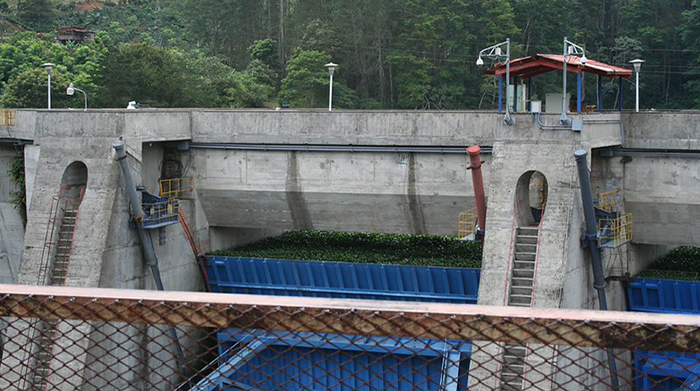
Image courtesy of Environmental Change and Security Program under Attribution-NonCommercial-NoDerivs 2.0 Generic Deed, resized to 700 x 391 pixels.
As is the case with much of the nation’s wires & pipes, the country’s hydropower infrastructure is aging rapidly, with the average U.S. hydropower plant being 80 years old. Simply put, it needs to be modernized. Unfortunately, we’re in the midst of a massive transformer shortage, and that reality is really putting a damper on modernization plans.
Driver of the Shortage, How It Impacts Hydropower Modernization
As you probably know, large transformers are a vital asset within the power industry, essential for stepping up or down voltage in power grids, and therefore they are in high demand. This, coupled with the current shortage, is increasing costs and leading to extended lead times (according to the GAO, large transformer procurement lead times have increased from 12-18 months to 30-36 months and can sometimes take up to 60 months). Several interconnected factors are contributing to this transformer supply shortage.
One driver is the surging demand for electricity – the increased demand directly translates into a greater requirement for transformers to manage the flow of electricity. Compounding the issue is a heavy reliance on imports for transformers and their components. While domestic manufacturing capacity exists, it has struggled to keep pace with global demand due to supply chain disruptions, raw material price fluctuations, and labor shortages. This dependence leaves the nation vulnerable to international market volatility and geopolitical influences, exacerbating the availability problem.
The consequences for hydropower modernization are substantial. Aging hydropower infrastructure requires significant upgrades to improve efficiency, reliability, and environmental performance, but these upgrades are heavily dependent on the availability of new and advanced transformers. Without them, projects are delayed, costs skyrocket, and the potential benefits of cleaner, more sustainable energy generation are put on hold.
Addressing the transformer shortage is, therefore, not just a challenge for hydropower plant operators and the electric utility industry as a whole, but also a strategic imperative for the future of the nation’s energy landscape.