Using Quantum Computing for Power Grid Optimization
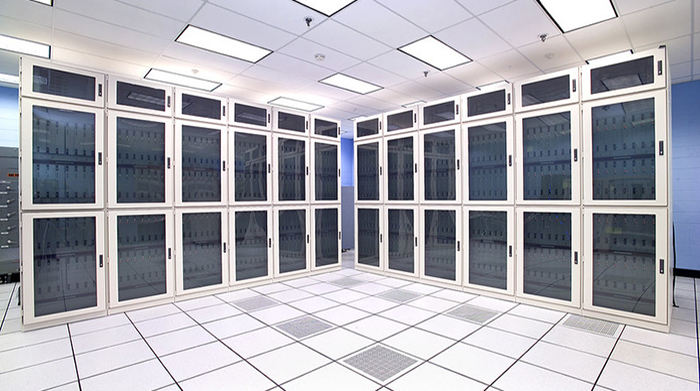
Image courtesy of Brookhaven National Laboratory under Attribution-NonCommercial-NoDerivs 2.0 Generic Deed, resized to 700 x 391 pixels.
Writing about quantum computing in a blog focused on utility emergency preparedness seems silly at first, but the more you think about it, the more it aligns with the controlled chaos currently happening within the industry.
Simply put, the electric utility industry is growing more complex each year. From the rise of renewable energy sources with their inherent intermittency, to the increasing demand from electric vehicles to the constant threat of utility cyberattacks, the only constant is change. To navigate this increasingly complex landscape, a revolutionary technology is emerging as a powerful new tool: quantum computing.
Elevator Pitch for Quantum Computing
Traditional computers, built on bits representing either 0 or 1, would struggle with the sheer scale and complexity of optimizing a power grid. Simulating all possible scenarios for load balancing, fault detection, or integrating diverse energy sources can take an astronomically long time. This is where quantum computers, utilizing qubits that can represent 0, 1, or both simultaneously, offer a paradigm shift.
Quantum computing’s relevance lies in its ability to tackle problems that are currently intractable for even the most powerful supercomputers. For power grids, this translates into at least 3 key benefits:
- Optimization – Quantum algorithms can rapidly explore a vast number of possibilities to find the most efficient solutions for energy distribution, minimizing waste and ensuring stability. This is crucial for managing the unpredictable nature of solar and wind power.
- Simulation and modeling – Quantum computers can create highly accurate models of grid behavior under various conditions, allowing operators to predict potential failures, test new integration strategies for renewables, and understand the impact of extreme weather events with far greater precision.
- Enhanced security – The complex encryption protecting our grids is vulnerable to future computational power. Quantum computing, while posing a threat, also offers the solution: quantum-resistant algorithms, designed to be secure against both classical and quantum attacks, can be developed and implemented using quantum principles, safeguarding critical infrastructure.
While still in its nascent stages, the potential of quantum computing to revolutionize the grid is undeniable. And as the technology matures, it promises to deliver more resilient, efficient, and secure energy networks, paving the way for a sustainable and electrified future.