5 Must-Haves for Mutual Aid Optimization
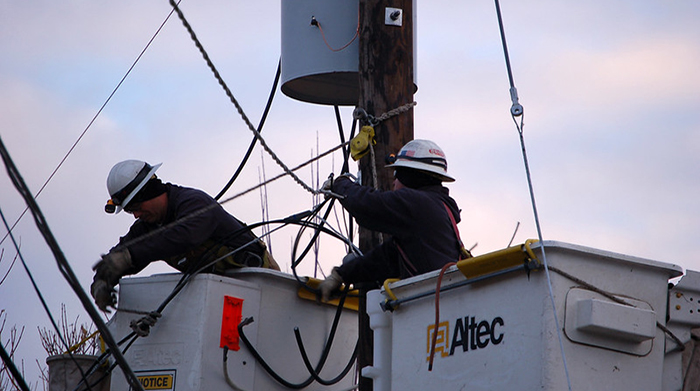
Image courtesy of Nate Grigg under Attribution 2.0 Generic Deed, resized to 700 x 391 pixels.
Lack of manpower is a key issue during major storm restoration efforts, which is why mutual aid is a critical tool in the utility toolbox. Following widespread outages and damages, mutual aid agreements become invaluable, enabling utilities to support one another by sharing personnel, equipment, and expertise. That said, the effectiveness of this cooperation hinges on optimized management practices.
Tips for Mutual Aid Optimization
First and foremost, effective communication is paramount. Clear communication channels and protocols for requesting and granting assistance must be established right from the very beginning. This includes designating points of contact, defining communication methods (e.g., phone, radio, online platforms), and establishing reporting procedures. In addition, holding regular communication drills and simulations can help ensure that communication systems will function effectively during emergencies.
Second, standardized agreements that outline the terms and conditions of mutual aid, including liability, insurance, compensation, and resource allocation, should be developed. Of course, these agreements are not static and should be regularly reviewed and updated to reflect changing needs and circumstances.
Third, detailed inventories of available resources should be developed and maintained, including personnel, equipment, and specialized expertise. This information should be readily accessible and regularly updated and will allow resource allocation to be based on the urgency of the situation and the needs of the requesting utility.
Another ‘must have’ is to hash out the decision-making hierarchy. In other words, establish a clear chain of command and designate individuals responsible for coordinating mutual aid activities including resource deployment, managing logistics, and ensuring the safety of personnel.
Last but certainly not least, once the restoration is able to be managed in-house and mutual aid has been released, it’s critical to conduct a thorough after-action review to identify areas for improvement. This review should involve all participating utilities and focus on communication, coordination, resource allocation, and overall effectiveness. The findings of the after-action review can then be used to update mutual aid agreements, procedures, and training programs.
By implementing these optimization strategies, electric utilities can enhance the effectiveness of mutual aid, ensuring a swift and coordinated response to emergencies, minimizing disruptions, and accelerating restoration efforts. And it’s not just for investor-owned utilities – co-ops and municipal utilities must also optimize their policies and practices.