How Workforce Disruptions Can Hinder Restoration Efforts
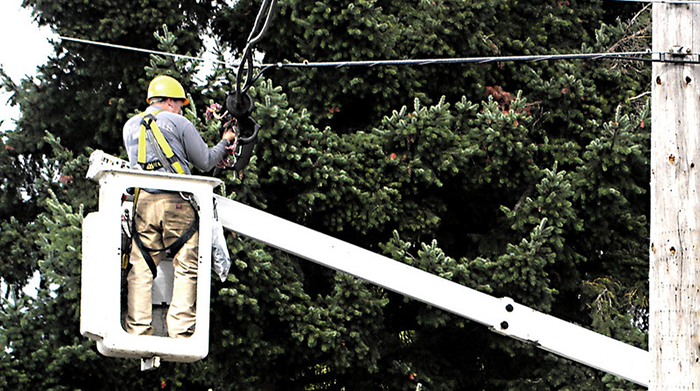
Image courtesy of Curtis Gregory Perry under Attribution-NonCommercial-NoDerivs 2.0 Generic Deed, resized to 700 x 391 pixels.
When extreme weather causes workforce disruptions for utilities, it makes the difficult task of restoration and recovery that much more challenging. Simply put, this is a significant and often underestimated risk for utilities and other organizations.
A recent article from Risk & Insurance highlights how the escalating frequency and intensity of events like hurricanes, floods, wildfires, and heatwaves are not merely inconvenient, but pose profound challenges to the workforce and, consequently, to continued operations.
The Challenge of Weather-Driven Workforce Disruptions
The article does not specifically focus on utilities, but that’s okay because the risks and challenges it describes are certainly applicable to the utility sector.
For workers, extreme weather events can lead to displacement, loss of homes and essential belongings, and disruptions to transportation, making it difficult or impossible to get to work. The mental and physical toll of experiencing such events, including potential injuries, trauma, and prolonged stress, can also affect an individual’s ability to perform their job.
Businesses and utilities are facing a growing need to recognize and address these vulnerabilities. Emergency plans often focus on physical assets and operational disruptions within an organization’s direct control. However, the interconnectedness of modern society means that the well-being of the workforce is a critical, yet frequently overlooked, component of resilience. Failing to account for the human element in emergency preparedness can lead to prolonged downtime, reduced productivity, and significant financial losses.
To mitigate these risks, the article suggests adopting a more holistic approach that includes understanding the specific weather-related risks in your operating region and the potential impact on employees. It also recommends developing robust emergency communication strategies, offering flexible work arrangements, providing disaster relief support, and investing in employee assistance programs.
Ultimately, fostering a resilient workforce is paramount to ensuring business continuity in general, and effective service restoration for utilities specifically. Proactive planning and a focus on employee welfare are no longer optional but essential to mitigate the impact of workforce disruptions, and to ensure long-term resilience.