Lineman Safety Practices for Extreme Heat Power Restoration
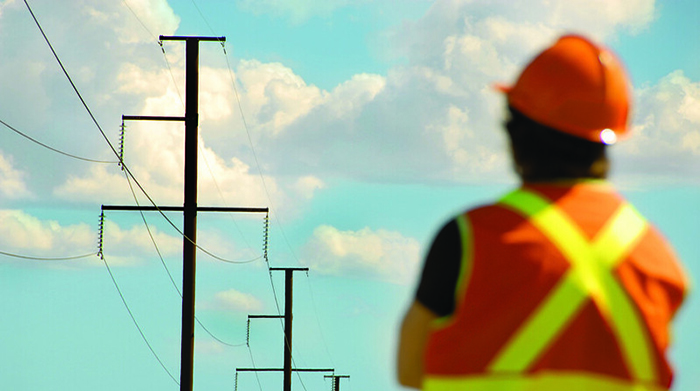
Image courtesy of SaskPower under Attribution-NonCommercial-ShareAlike 2.0 Generic Deed, resized to 700 x 391 pixels.
Restoring power during extreme heat presents a unique and dangerous challenge for utility workers, especially as it relates to lineman safety. The demanding physical nature of the job, combined with scorching temperatures, significantly increases the risk of heat-related illnesses. Proactive practices are paramount to ensuring linemen remain safe during these challenging times.
Key Tips for Lineman Safety in Extreme Heat
A cornerstone of heat safety is comprehensive preparation and planning. Before crews are dispatched, utility companies must assess the predicted heat index and adjust work schedules accordingly. This includes staggering shifts, prioritizing essential tasks, and – if possible – scheduling strenuous activities for cooler parts of the day, like early mornings or evenings.
In addition, hydration is non-negotiable; providing ample water stations and encouraging workers to drink frequently – even before feeling thirsty – is crucial. Electrolyte-rich beverages are also vital to replenish salts lost through sweat.
Once at the work site, effective monitoring and acclimatization becomes key. Linemen working in extreme heat require regular check-ins by supervisors, who must be trained to recognize the early signs of heat stress, such as dizziness, nausea, headaches, and muscle cramps. Gradual acclimatization for workers new to hot environments or returning after an absence can significantly reduce risk. This involves progressively increasing exposure duration and work intensity over several days.
Additionally, personal protective equipment (PPE) takes on a new dimension in extreme heat. While standard safety gear is mandatory, companies should consider lightweight, breathable materials for outer layers. Vests that can be cooled with water or ice packs can offer significant relief. Shade structures, such as portable canopies, should be readily available at work sites for breaks, allowing workers to cool down effectively.
Finally, and perhaps most critically, workers should receive regular training sessions on heat exposure and heat illness prevention, recognition, and first aid, and they must feel empowered to speak up if they are experiencing symptoms or feel unsafe, without fear of reprisal. Clear protocols for immediate response to heat-related emergencies must be established, communicated, and reinforced.
The bottom line is that all employees should expect to go home in the same condition they arrived to work. Developing specific lineman safety practices, and communicating them regularly, goes a long way in this regard.