PG&E Announces $73 Billion Infrastructure Upgrade Plan
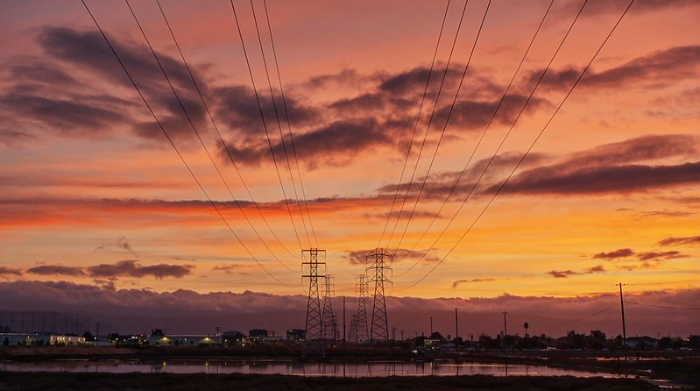
Image courtesy of Peter Thoeny under Attribution-NonCommercial-ShareAlike 2.0 Generic Deed, resized to 700 x 391 pixels.
California-based PG&E recently announced a whopping $73 billion infrastructure upgrade plan that is expected to be completed in 5 years. The objective is largely to harden the infrastructure, as well as to accommodate the expected increase in future demand, mainly from data centers. Let’s take a deeper dive into this massive capital expenditure plan.
Nuts and Bolts of PG&E’s Infrastructure Upgrade Plan
PG&E is one of the largest gas and electric utilities in the U.S. serving almost 10 million customers (5.3 million power, 4.6 million gas). It operates in 47 of California’s 58 counties. So yeah, it’s big.
The first phase of the plan reportedly includes the deployment of an advanced distribution management system (ADMS), a distributed energy resource management system (DERMS), 700 miles of undergrounded power lines, and 500 miles of wildfire safety system upgrades.
Other elements of the capital plan include substation upgrades, transmission expansion, continued investments in clean energy projects, and continued contributions ($144 million a year beginning 2029), to the state wildfire fund which provides a financial cushion for utilities found liable for wildfires, ensuring support for victims and preventing financial instability for the utilities.
The capital expenditure plan is largely driven by the recently passed Senate Bill 254, which includes the creation of a wildfire fund continuation account, requires utilities to issue new debt for fire mitigation, and mandates the identification of other measures to balance wildfire risk management with ratepayer protection.
And of course, data centers are another reason for making the upgrades. The pipeline currently sits at 10 GW, and PG&E maintains a load growth projection in the 1-3% range.
Overall, I applaud this move, especially because PG&E is a leader in the industry – it’s large enough that it can effectively lead by example. All utilities should be evaluating hardening strategies and tactics to maintain reliability in an increasingly volatile weather and regulatory climate and developing their own infrastructure upgrade plan.