UCLA Issues Report on LA Water and Power Infrastructure
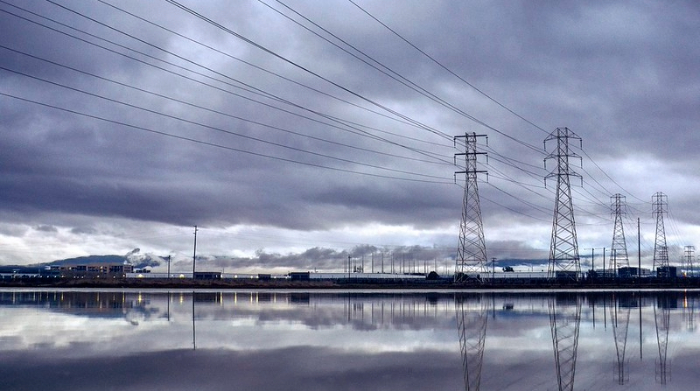
Image courtesy of Peter Thoeny under Attribution-NonCommercial-ShareAlike 2.0 Generic Deed, resized to 700 x 391 pixels.
The water and power infrastructure in Los Angeles was under the microscope during a workshop in June 2025 that featured over 100 utility leaders, public officials, engineers, and scientists. The workshop was arranged by UCLA in conjunction with the Los Angeles Department of Water and Power (LADWP).
The goal of the workshop was to identify ways to harden the region’s infrastructure in the wake of the deadly wildfires that have plagued the area. And in Oct. 2025, a report was released with the workshop’s findings and recommendations.
Recommendations for Hardening LA’s Water and Power Infrastructure
The report, “Innovation Opportunities for a Resilient L.A.,” offered an array of recommendations, noting that no single strategy or tactic can solve everything – instead a mix is required. The report identifies 4 pillars that must be in place to harden the city’s water and power infrastructure:
- Underground power lines. This one is definitely a no-brainer. Placing power lines underground will protect them from wildfire risk, unlike overhead lines which are fully exposed. High costs and earthquake activity in the area complicates this approach, which means that successful execution requires clear goals, cost-sharing strategies and strong community engagement.
- Upgrade water infrastructure to assist with emergency response. Water utilities should corroborate with fire departments to learn how they can protect and optimize resources for firefighting purposes. This could include the deployment of fire-hardened valves, backup reservoirs, “smart hydrants,” and even pulling ocean water when necessary.
- Deploy advanced metering infrastructure (AMI). The main benefit of AMI from the utility perspective is an enhanced ability to track outages and manage the grid. As such, LADWP plans to deploy 1.5 million smart meters by 2031.
- Improve wildfire detection technology: The sooner wildfire activity is detected, the faster it can be mitigated. Early warning systems are critical, which could include things like advanced modeling and real-time monitoring devices like sensors, satellite imagery, etc.
I’d highly recommend reading the report, irrespective of where your utility operates, because the recommendations for how to harden LA’s water and power infrastructure are universal.