The Utility Impact of Chicago’s Severe Flooding Situation
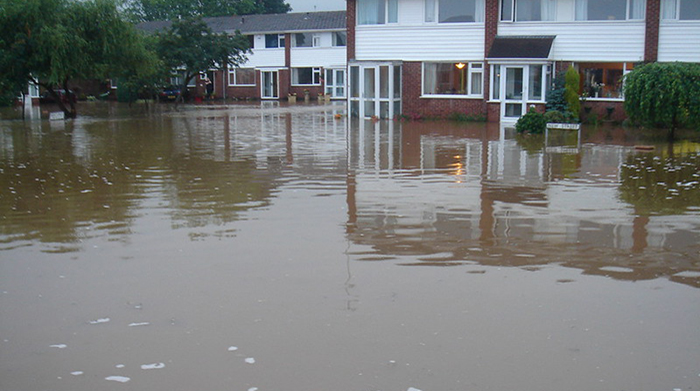
Image courtesy of shelly-jo under Attribution-NonCommercial-NoDerivs 2.0 Generic Deed, resized to 700 x 391 pixels.
Chicago residents and officials, as well as the utilities serving the city (People’s Gas, the Dept. of Water Management, and ComEd), are increasingly grappling with a formidable challenge: severe flooding.
Recent years have seen a notable uptick in heavy rainfall events, overwhelming the city’s existing infrastructure and leading to widespread disruptions. From flooded basements and streets to structural damage, the consequences of these deluges are becoming a growing concern for residents, city officials, and the emergency planning teams at People’s Gas and ComEd.
Why Severe Flooding is Getting Worse in Chicago
Several interconnected factors contribute to Chicago’s escalating vulnerability to severe flooding. The most obvious cause is climate change, the impact of which is compounded by Chicago’s extensive urban development.
The proliferation of impervious surfaces – such as concrete, asphalt, and buildings – prevents rainwater from naturally seeping into the ground. Instead, this runoff is channeled rapidly into streets and storm drains, overwhelming their capacity. As the city continues to grow, the amount of impervious surface only increases, exacerbating the problem.
Chicago’s aging infrastructure also plays a significant role. Many parts of its sewer and drainage systems were built decades ago and are not equipped to handle the volume of water from today’s extreme weather. Cracks, blockages, and simply the limited capacity of these old systems mean that water backs up, leading to surface flooding.
The city’s proximity to Lake Michigan, while a defining characteristic, can also contribute to flooding issues, particularly during periods of heavy rain that coincide with high lake levels. Storm surges and elevated lake levels can impede the drainage of stormwater, further straining the system.
Addressing Chicago’s growing flood risk requires a multi-faceted approach. For the utilities serving the city, infrastructure hardening and upgrading strategies should be on the table. Additionally, flood preparedness and response plans need to be constantly fine-tuned to account for this new norm, and training, exercises and drills should be conducted annually.
There’s little doubt, these steps are critical if Chicago’s utilities want to ensure maximum preparedness.