Utility Worker Protections Sought After Customer Threats
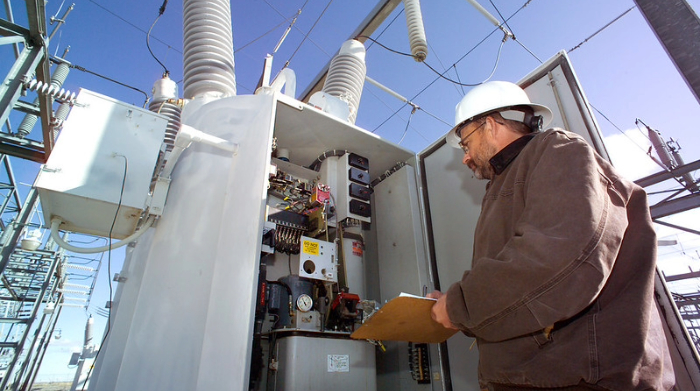
Image courtesy of Idaho National Laboratory under Attribution 2.0 Generic Deed, resized to 700 x 391 pixels.
A small electric utility in South Carolina – Aiken Electric Cooperative – is seeking tougher worker protections after 2 workers were threatened by an angry shotgun-wielding customer. The incident, which took place several days into a 15-day outage following Hurricane Helene, serves as a wakeup call for utilities to incorporate more effective measures for worker protections in their emergency restoration plans (ERPs).
And this is not necessarily an isolated incident. In fact, the CEO of Aiken Electric Cooperative was working at Tennessee Valley Authority when a customer shot and killed a TVA employee while he was out doing a survey. Bottom line – worker protections from customer threats must be taken seriously.
What Specific Worker Protections Are Being Sought?
The utility plans to ask legislators to enact a law that deters people from threatening or attacking linemen and similar workers responding to an emergency. Essentially, penalties would be magnified during disaster restoration scenarios.
This could take several forms. One would be tougher criminal penalties for threats made during a state of emergency including upgrading this type of offense from misdemeanor to felony, increasing minimum fines, and even introducing the prospect of jail time.
Another tactic would be to increase police presence at physical facilities during stressful times. In fact, this is exactly what Aiken Electric Cooperative did after the aforementioned customer threat – company officials hired police officers to stand watch at its offices across three counties. Similarly, technology such as video surveillance, alarm systems, keypad gates, as well as low-tech tactics like ‘no-trespassing’ signs, should be strategically deployed.
In the final analysis, we often talk about physical security at facilities, and that is what gets most of the proverbial press. Unfortunately, physical security as it relates to worker protections is often an afterthought. This needs to change, and fast, especially in this political climate. So, do yourself a favor, and review your emergency plan, and update it if necessary, to ensure that worker protections are adequately covered.