How to Reduce Unnecessary Pole Replacements
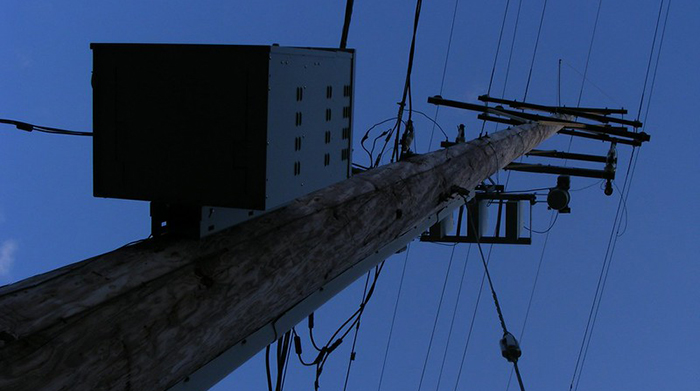
Image courtesy of Michael Mol under Attribution 2.0 Generic Deed, resized to 700 x 391 pixels.
A recent case study published by Renewable Energy World highlights a significant advancement in utility infrastructure management: the application of improved structural modeling techniques that have dramatically reduced unnecessary pole replacements and engineering hours.
This innovative approach, adopted by a major utility company, addresses a long-standing challenge in maintaining aging power poles, many of which are often flagged for replacement based on outdated or overly conservative assessment methods.
Optimizing Pole Replacements
The traditional process for evaluating wood utility poles typically involves visual inspections, which can be subjective and prone to human error. This often leads to a conservative approach where poles are recommended for replacement even if they possess sufficient structural integrity. The financial and environmental implications of such over-replacement are substantial, involving the cost of new poles, installation labor, and the disposal of still-serviceable materials.
The utility in question implemented a sophisticated structural modeling system that leverages advanced analytics and data integration. This new methodology moves beyond simple visual cues, incorporating a wider range of data points to assess a pole’s actual load-bearing capacity and remaining service life. Key to this improvement is the integration of data from various sources, including Geographical Information Systems (GIS), historical weather patterns, and even detailed material properties derived from testing.
By employing these enhanced models, engineers can achieve a more precise understanding of the stress and strain on individual poles. This allows for a more data-driven decision-making process, differentiating between poles that genuinely require replacement and those that can continue to serve safely with appropriate maintenance. The case study reports a significant reduction in unnecessary pole replacements, directly translating into substantial cost savings for the utility.
The automation and enhanced accuracy of the assessments can also reduce the time engineers spend on individual pole evaluations, allowing them to focus on more complex issues and strategic planning. This not only boosts operational efficiency but also contributes to a more sustainable approach to utility infrastructure management by minimizing waste and optimizing resource allocation.
The success of this case study demonstrates the potential for advanced modeling to revolutionize how utilities maintain their critical infrastructure, including optimizing pole replacements.