The Risk of Snow Squalls for Electric Utilities
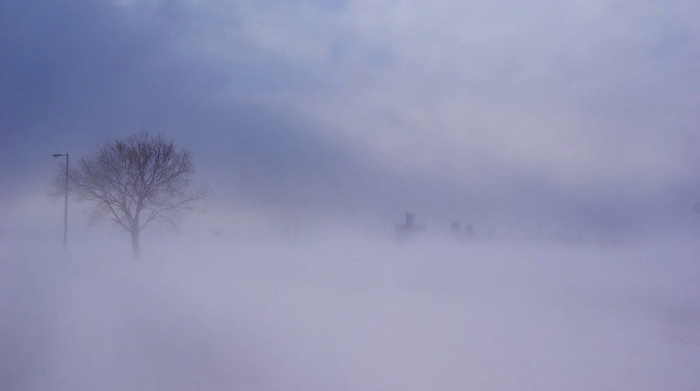
Image courtesy of sj carey under Attribution-NonCommercial-NoDerivs 2.0 Generic Deed, resized to 700 x 391 pixels.
Snow squalls represent yet another outage risk for electric utilities, especially those located near large bodies of water. A snow squall is a sudden, intense burst of heavy snowfall, often accompanied by strong winds, which can create hazardous conditions in a matter of minutes. With winter coming, let’s take a closer look at this weather phenomenon.
Causes and Examples of Snow Squalls Causing Power Outages
Snow squalls form when cold, unstable air moves over a relatively warm body of water, adding moisture and heat to the air, causing it to rise and cool. If the air is cold enough, the water vapor will freeze and form snow crystals. Further, the strong winds associated with snow squalls can reduce visibility to near zero.
This combination of heavy snow and strong winds can snap branches and bring down power lines. This is often exacerbated by an increased demand for electricity as people turn up their heating systems, straining the grid.
Here are 3 recent examples of snow squall induced power outages:
- 2023, Erie, PA: A sudden and intense snow squall, accompanied by strong winds, swept through Erie County. The heavy, wet snow weighed down power lines and tree branches, causing them to snap and fall onto lines. This resulted in widespread power outages affecting thousands of residents for several hours.
- February 2022, Buffalo, NY: The Buffalo area is notorious for lake-effect snow, and snow squalls are a common occurrence. In February 2022, a particularly intense squall brought near-zero visibility and snowfall rates of several inches per hour. The combination of heavy snow and gusty winds led to numerous downed power lines and outages across the region.
- January 2019, Central NY: A powerful combination of snow and wind gusts caused trees to fall onto power lines, resulting in scattered outages across multiple counties. Some residents were without power for more than a day.
The bottom line is that snow squalls, especially for utilities located near large bodies of water, can easily overwhelm power infrastructure, leading to disruptive and widespread outages. Therefore, it’s important to make sure this is addressed in your emergency plan.