Disregard Non-AI Demand Risks to the Grid at Your Own Peril
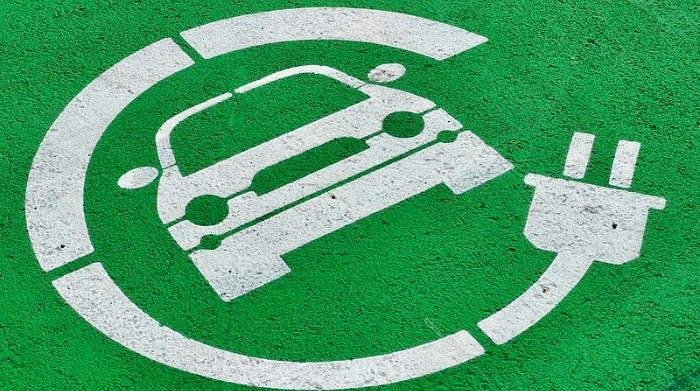
Image courtesy of Jean-Jacques Halans under Attribution-NonCommercial-ShareAlike 2.0 Generic, resized to 700 x 391 pixels.
Do not sleep on the non-AI demand risks that could compromise the power grid of the future. You see, the future of U.S. electricity demand is often discussed through the lens of artificial intelligence’s burgeoning appetite for power. But while AI’s consumption is a significant and growing factor, it’s crucial to recognize the substantial influence of other, non-AI-driven variables that will shape electricity demand over the next 5-10 years.
The Looming Impact of Non-AI Demand on the Grid
One of the most prominent non-AI demand drivers will be the electrification of transportation. As the adoption of electric vehicles (EVs) accelerates, the demand for electricity to charge these vehicles will rise exponentially. The sheer volume of EVs expected on the road in the coming decade, and the resulting EV loads, will necessitate a significant increase in grid capacity and charging infrastructure, directly impacting overall electricity consumption.
Another key factor is the continued growth of data centers, independent of AI-specific workloads. Cloud computing, online streaming, remote work technologies, and the ever-expanding Internet of Things (IoT) all contribute to the relentless expansion of data storage and processing needs. While AI will undoubtedly increase the power drawn by these facilities, even a baseline growth in non-AI data center operations will be a substantial contributor to rising electricity demand.
Another driver is residential and commercial building electrification for heating, cooling, and appliances. As consumers and businesses increasingly shift away from fossil fuels in favor of electric heat pumps, induction stoves, and other electric appliances, the demand for electricity in these sectors will climb. Energy efficiency improvements will help, but only so much.
Finally, industrial sector modernization and potential reshoring efforts could also influence demand. Investments in new, more energy-intensive manufacturing processes or the return of some industrial capacity to the U.S. could lead to increased electricity usage.
The bottom line: While AI’s prominence in future electricity demand is undeniable, the non-AI demand factors will be just as impactful, so plan now!