Trends in Power Plant Winter Preparedness

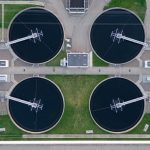
Image courtesy of Bob Jagendorf under Attribution-NonCommercial 2.0 Generic Deed, resized to 700 x 391 pixels.
According to the Electric Power Research Institute (EPRI), electric utilities are improving when it comes to power plant winter preparedness. The main reason is that plant operators are taking winterization more seriously now, because events from the past few years such as Winter Storm Elliott have exposed vulnerabilities.
Trends in Power Plant Winter Preparedness
In general, plant operators are increasingly focused on implementing new technologies, work processes, more frequent inspections, and deeper engineering reviews to improve winter performance. The goal is to address the following key areas of vulnerability:
- Sensing lines and instrumentation, which are small-diameter impulse lines that operate in near flowless environments, making them extremely prone to freezing.
- Poor insulation and heat-tracing – these components are sometimes missing altogether or improperly sized for the job.
- Cooling systems (cooling towers, cooling water intakes, etc.) can ice up quickly.
- Fuel and material handling – including freezing coal and limestone systems, gelling diesel fuel tanks, and even natural gas curtailments.
Power plant winterization best practices are essential for preventing these types of equipment failures, minimizing downtime, and maintaining a stable power supply during periods of peak demand.
Adding freeze protection to water systems includes tactics like installing proper insulation, implementing heat tracing, and using antifreeze solutions. Utilities should also inspect and maintain steam traps to ensure efficient removal of condensate, preventing water accumulation and freezing in steam lines.
Fuel systems require special attention during winter. For natural gas-fired plants, ensuring a reliable gas supply is crucial. This may involve working with gas suppliers to secure adequate supply and implementing measures to prevent gas line freezing. For coal-fired plants, maintaining an adequate coal stockpile and preventing coal pile freeze-up are essential. This can be achieved through proper coal pile management techniques, such as compaction and covering.
In terms of equipment maintenance, lubricants can become viscous at low temperatures, affecting the performance of rotating equipment. Utilities should use cold-weather lubricants and ensure that lubrication systems are functioning correctly. Additionally, inspecting and testing heating, ventilation, and air conditioning (HVAC) systems is important to maintain optimal operating temperatures within plant buildings.
By implementing these power plant winter preparedness best practices, electric utilities can minimize the risk of cold-weather-related outages and ensure a reliable power supply for their customers throughout the winter months.