Power Grid Lessons from Winter Storm Fern
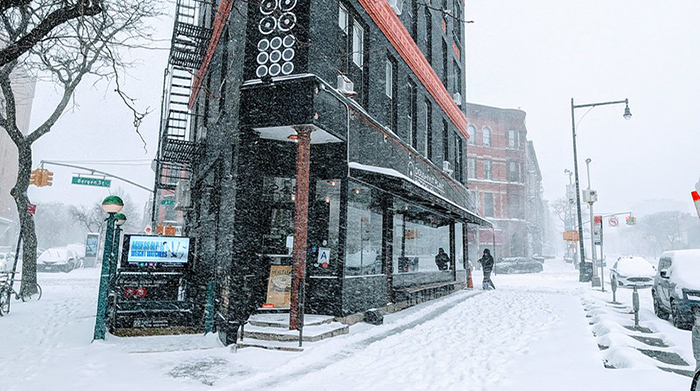
Image courtesy of Karthik N under Attribution-ShareAlike 4.0 International Deed, resized to 700 x 391 pixels.
Winter Storm Fern, which impacted half of the U.S. in January 2026, provided a nice litmus test for power grids around the country, especially in areas like Texas where previous winter storms brought the grid to a screeching halt. The good news is that the Texas power grid weathered the storm (no pun intended).
Lessons for Electric Utilities from Winter Storm Fern
In Texas, the big lesson was that power plant winterization actually works! In fact, the state avoided forced shutoffs, unlike during 2021’s Winter Storm Uri – definitely a big win!
New England, which got hammered with snow and bitter cold temperatures, also fared relatively well considering the circumstances.
That said, not everyone got off so lucky, as more than 1 million households lost power, especially in the Southeast. Capacity interruptions from frozen pipelines were the primary problem within the PJM Interconnection. In addition, heavy snow and ice accumulation led to downed power lines and damaged equipment. Subzero temperatures increased demand for electricity, further straining capacity.
Simply put, the storm exposed the vulnerability of aging infrastructure, particularly in older sections of the grid. Outdated equipment and inadequate maintenance contributed to the severity and duration of outages. Also, the falling trees and branches underscored the importance of effective vegetation management programs.
Another critical lesson, which should not come as a surprise if you regularly read my posts, is that effective communication and coordination among utility companies, government agencies, and the public is essential during widespread outages. Improved communication channels and real-time information sharing can help ensure a more coordinated and efficient response.
There’s no doubt that Winter Storm Fern served as a stark reminder of the importance of a reliable and resilient power grid. Addressing the challenges exposed by the storm will require sustained investments in infrastructure modernization, vegetation management, and extreme weather preparedness. By working together, utility companies, government agencies, and communities can build a more resilient power grid that can withstand the challenges of a changing climate.