Outlook for the Gas Turbine Supply Bottleneck
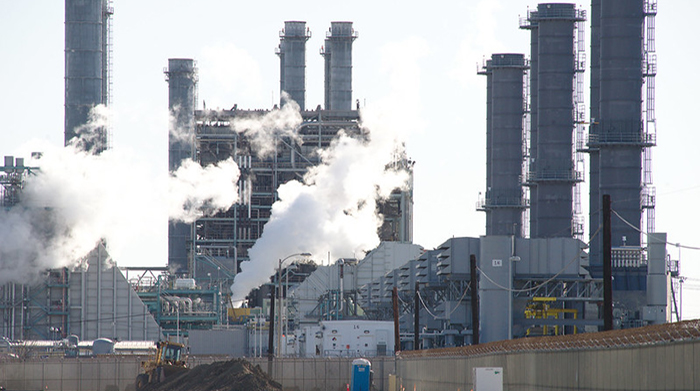
Image courtesy of Jon Sullivan under Attribution-NonCommercial 2.0 Generic Deed, resized to 700 x 391 pixels.
The electric power industry is currently experiencing a significant gas turbine supply bottleneck, causing project delays and increased costs for electricity producers. The good news is that a recent industry analysis suggests that the supply of gas turbines should increase 80% by 2030. Unfortunately, power producers will still be faced with a turbine crunch for at least the next few years.
Causes of, and Outlook for, the Gas Turbine Supply Bottleneck
Several factors have coalesced to generate the gas turbine shortage. First, demand has surged in recent years thanks to the increasing global focus on energy transition. As countries aim to reduce their reliance on coal-fired power plants, natural gas combined cycle (NGCC) plants, powered by gas turbines, are seen as a cleaner and more flexible alternative. This has led to a significant increase in orders for new gas turbines.
Second, the supply chain for gas turbine manufacturing is complex and highly specialized. It involves sourcing components from various suppliers worldwide, and any disruption in the supply chain can lead to delays in production. The COVID-19 pandemic, geopolitical tensions, and trade restrictions have all contributed to supply chain disruptions, exacerbating the shortage.
Third, the number of gas turbine manufacturers is limited, with a few major players dominating the market. This oligopolistic market structure gives these manufacturers significant pricing power and limits the ability of electricity producers to switch suppliers easily. Adding further chaos is the fact that the manufacturers are facing labor shortages and increasing raw material costs, which further constrain their production capacity.
Looking ahead, the outlook for gas turbine supply over the next 5 years remains uncertain. While manufacturers are investing in expanding their production capacity, it will take time for these investments to materialize. Moreover, the continued growth in demand for gas turbines, driven by the energy transition, is likely to keep the market tight.
So unfortunately, the outlook remains bleak for the near term, which means electricity producers can expect to face continued challenges in securing these precious turbines on time and within budget. Other than exploring alternative power generation technologies, electric utilities’ hands are tied, with the only real option being to simply wait out the current gas turbine supply shortage.