The Crumbling of Cuba’s Power Grid
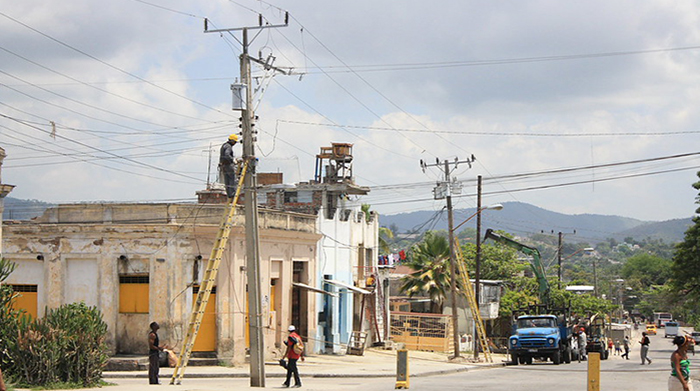
Image courtesy of Clara Sanchiz under Attribution-ShareAlike 2.0 Generic Deed, resized to 700 x 391 pixels.
Cuba’s power grid is a complex and aging infrastructure that has been struggling to meet the nation’s energy demands for years. This chronic unreliability stems from a combination of deeply entrenched issues, exacerbated by the island’s unique political and economic circumstances.
Reasons for the Collapse of Cuba’s Power Grid
One of the primary problems is the deteriorating state of the country’s thermoelectric power plants. Many of these facilities are decades old, relying on outdated Soviet-era technology. They suffer from persistent mechanical failures due to a lack of spare parts, a consequence of the long-standing U.S. trade embargo and Cuba’s limited hard currency reserves. These breakdowns lead to frequent, often unannounced, blackouts across the island, crippling daily life and economic activities.
Additionally, Cuba’s heavy reliance on imported fossil fuels makes its energy sector highly vulnerable to global price fluctuations and supply chain disruptions. While the government has explored developing renewable energy sources like solar and wind, progress has been slow. The initial investment required, coupled with ongoing economic challenges, has hindered the widespread adoption of cleaner and more resilient energy alternatives that could reduce dependence on volatile imported fuels.
The economic situation in Cuba also plays a significant role. The state-owned utility struggles with insufficient funding for necessary upgrades and maintenance. Inflation and a general economic downturn mean that resources are often stretched thin, with energy infrastructure not always receiving the priority it desperately needs.
Improving the Cuban Power Grid
In response to these persistent challenges, the Cuban government has outlined plans to modernize and diversify its energy matrix. There have been announcements regarding investments in new, more efficient power plants, including some with natural gas capabilities, and a push to increase the share of renewable energy generation.
However, the realization of these plans is often hampered by the very economic and logistical hurdles that plague the current system. International partnerships and foreign investment are frequently cited as crucial for achieving these goals, but geopolitical factors and the perceived risk can complicate these efforts. So, unfortunately, the path to sustainable reliability across Cuba’s power grid remains an arduous one.