Is Lunar Nuclear Power Really Feasible?
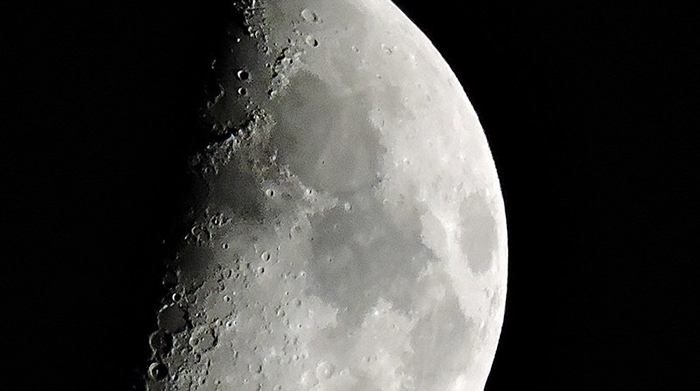
Image courtesy of Fulvio Colasanto under Attribution-NonCommercial 2.0 Generic Deed, resized to 700 x 391 pixels.
Could lunar nuclear power boost the reliability of the U.S. power grid? Um, no, no it can’t. However, it’s still a cool concept for all you nuclear engineers out there (wink wink), and it’s something that will likely be necessary to broaden space exploration.
Current State of Play for Lunar Nuclear Power
Nuclear power, specifically fission reactors, is considered highly feasible for lunar application. In fact, the technology for compact, robust fission reactors already exists and is being refined for space applications like NASA’s Kilopower project. That’s the good news.
The bad news is the level of difficulty in achieving a functioning nuke on the moon is off the charts. Every piece of the puzzle – and I mean EVERY piece – must be precisely executed. Some examples of this include:
- Site selection: This is clearly the most important decision of all, as everything else branches from it. The location must be carefully selected based on factors like geological stability, accessibility for construction, proximity to potential resource sites (like water ice), etc
- Launch and transport: Talk about a shipping headache! The reactor components, fuel, and construction materials would need to be safely transported from Earth to the Moon via heavy-lift rockets.
- Lunar construction: Sort of like digging a hole in the ocean, the no-gravity environment makes everything 10x more difficult. Luckily, semi-autonomous robotic systems should be able to perform much of the initial construction to minimize human exposure to radiation and the harsh lunar environment. This would involve site preparation, foundation laying, and assembly of the reactor and its shielding.
- Shielding and containment: Robust shielding is a must to protect personnel and equipment from radiation. This could involve utilizing lunar regolith (soil) as a readily available shielding material, potentially building berms or locating the reactor underground.
- Fueling and operation: The reactor would require specialized lunar-grade nuclear fuel and would need to be handled by highly trained personnel and/or sophisticated automated control systems.
- Waste management: A plan for managing spent fuel would be necessary, likely involving secure storage on the lunar surface.
The bottom line is that lunar nuclear power seems feasible, but it will take decades to get there.