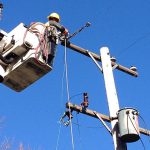
Why Mobile Field Apps are Essential for Faster Restoration

Image courtesy of Power Mag co TRC under Attribution-NonCommercial-NoDerivs 2.0 Generic, resized to 700 x 391 pixels.
I recently came across yet another fantastic article from Power Magazine. It’s about the benefits of crews using state-of-the-art mobile field apps, and it’s so important from an emergency preparedness perspective that I wanted to use today’s post to highlight some of the key points.
How Mobile Field Apps Need to Evolve for Utilities
Traditionally, utility crews have relied on single-purpose field applications that today are outdated and can actually hinder efficiency and productivity. According to the Power Mag article, a robust and integrated app strategy is becoming paramount for optimizing field operations.
The author argues that the traditional approach of providing separate mobile field apps for different tasks – such as work order management, asset tracking, and safety compliance – often leads to a disjointed user experience. Field workers may find themselves juggling multiple applications, entering the same data repeatedly, and struggling to access comprehensive information. This inefficiency negatively impacts the speed and accuracy of field work, including outage restoration.
The article advocates for a more effective strategy that involves developing a unified or consolidated platform. This approach aims to integrate various functionalities into a single, user-friendly application, offering real-time access to work orders, asset data, customer information, and safety protocols. The ‘single platform’ approach can be expected to streamline workflows, reduce data redundancy, and empower crews with the information they need, when they need it.
Key benefits of a well-designed app strategy for mobile crews include improved communication and collaboration, enhanced data accuracy through real-time updates, and increased worker safety by ensuring easy access to critical information and procedures. As an added bonus, a unified platform can facilitate better training and onboarding for new employees, as they only need to learn a single system.
The article concludes by stating that the future of field operations hinges on leveraging technology to its full potential. I agree. There’s little doubt that moving away from siloed mobile field apps and embracing an integrated app strategy should boost efficiency, safety, better service for customers and improved operational outcomes.