The Growing Problem of Fire Clouds
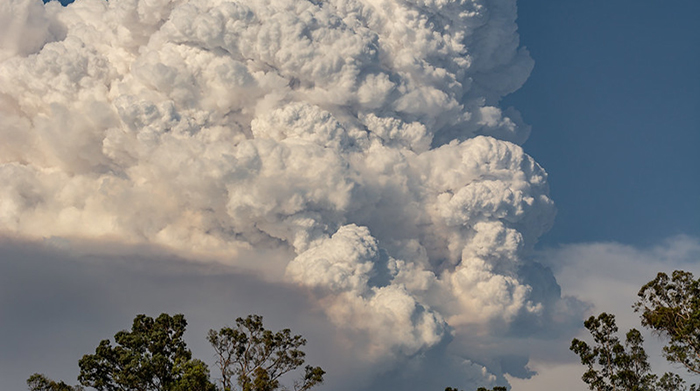
Image courtesy of Wendy Miller under Attribution-NonCommercial-NoDerivs 2.0 Generic Deed, resized to 700 x 391 pixels.
Fire clouds, also known as pyrocumulus clouds, are towering cumulonimbus clouds formed by the intense heat of wildfires. The massive updraft of hot air carries smoke, ash, and embers high into the atmosphere, creating a visible cloud that can resemble one that might accompany a thunderstorm. These clouds are not only a dramatic visual manifestation of a fire’s power, but also a significant contributor to the spread and intensity of wildfires.
How Fire Clouds are Formed
The formation of fire clouds signifies an extreme fire event. The rising heat causes rapid condensation of water vapor, leading to the formation of these potent clouds. Within these clouds, extreme turbulence can occur. This turbulence can loft burning embers and ash to great distances, starting new fires far from the original blaze. Furthermore, strong updrafts can inject smoke and heat into the upper atmosphere, influencing weather patterns and potentially leading to more dangerous fire conditions downwind.
Tragically, the frequency and severity of this weather phenomenon appear to be on the rise, a trend starkly illustrated by the devastating wildfires that engulfed parts of Spain and France in late July 2026. The scale of these infernos generated numerous, formidable fire clouds, contributing to the rapid and uncontrolled spread of the blazes. Firefighters on the ground faced unprecedented challenges as these atmospheric phenomena amplified the danger, creating new fire fronts and making containment efforts exponentially more difficult.
The increased occurrence of such extreme weather events is widely linked to climate change. Rising global temperatures contribute to drier conditions and more combustible vegetation, creating a tinderbox environment ripe for intense wildfires.
As these fires grow larger and hotter, the likelihood of forming fire clouds increases. This creates a dangerous feedback loop where climate change fuels more extreme fires, which in turn produce more potent fire clouds, further exacerbating wildfire risk.
There’s no doubt about it, the events of July 2026 serve as a stark reminder of escalating threat of fire clouds and the urgent need for action to address the root causes of climate change.