Can States Handle Disaster Response Without FEMA?
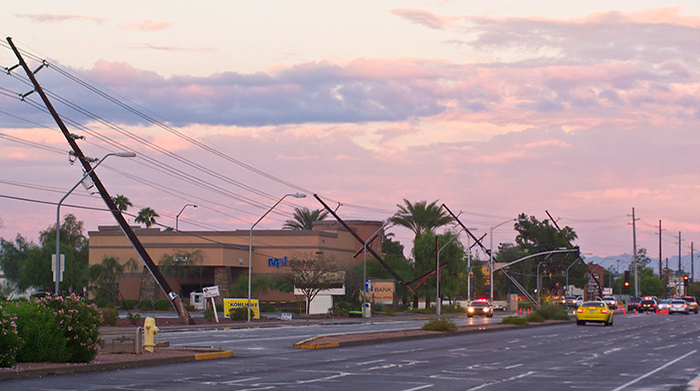
Image courtesy of Jasper Nance under Attribution-NonCommercial-NoDerivs 2.0 Generic Deed, resized to 700 x 391 pixels.
As policymakers consider shifting more disaster response responsibilities to states and local governments, a central question is whether those communities have the people and money to take it on. Recent research suggests many are not ready.
Impact of Pushing Disaster Response to the States
FEMA Administrator Cameron Hamilton reportedly told emergency managers that states may need to respond to disasters without federal assistance within six months. He emphasized the importance of having financial reserves and the ability to begin recovery quickly, rather than waiting for a federal disaster declaration. The goal may sound straightforward, but states face very different risks and have unequal resources and disaster experience.
A 2025 Urban Institute report found that only 5 of the 31 states that received federal disaster response and recovery funding in 2019 had budget reserves sufficient to cover disaster costs. A separate FEMA study from October points to capacity gaps at the local level. More than half of local emergency management agencies have one or fewer full-time employees, and some directors are volunteers.
Limited funding, low pay, competing local priorities and unclear expectations can leave agencies focused on basic duties rather than emergency preparedness, training and planning. Only half of local agencies said they were mostly or completely meeting community needs, with 19% saying they essentially don’t meet them at all.
State resources are also uneven. Congressional Research Service analysis found that fiscal year 2026 emergency-management operating budgets ranged from $390,000 in New Mexico to $700 million in Illinois. States’ dependence on federal funding ranged from none to nearly all of their support. Rainy-day funds could help, but laws may restrict when they can be used, and many states face budget challenges.
The reports do not suggest every state lacks capacity, but readiness varies widely, and a rapid federal pullback could leave some communities struggling. Building local expertise, staffing and reserves takes time, which means that right now, some states would be in a real pickle if they had to manage their own disaster response.