New York Regulators Want a Clearer Picture of AI in Utility Operations
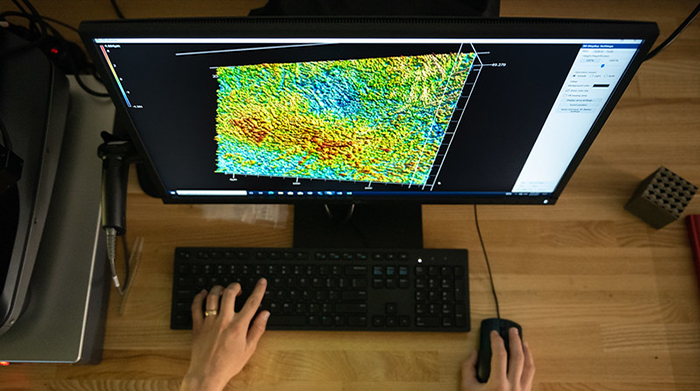
Image courtesy of Sandia Labs under Attribution-NonCommercial-NoDerivs 2.0 Generic Deed, resized to 700 x 391 pixels.
New York regulators are taking a closer look at how electric, gas and water utilities use artificial intelligence (AI) – and whether their safeguards are keeping pace.
I think this is very interesting, because regulatory action coming out of New York, like California, is often a leading indicator of potential industry change. Therefore, I thought this would make a great topic for today’s blog post!
What New York Regulators are Looking for
On 9/17/26, the state Public Service Commission (PSC) opened an inquiry requiring utilities to submit, within 60 days, a written inventory of their AI applications. Companies must also describe the policies and procedures they use to govern those systems. The commission says it will assess whether those controls are sufficiently robust under commonly accepted AI governance frameworks.
The review comes as AI tools move into routine utility work, from customer service and equipment inspections to forecasting outages and analyzing electricity use. Examples cited by regulators include National Grid’s GridCARE system, which is intended to help identify available interconnection capacity for large-load customers, and the New York Power Authority’s use of AI to analyze drone imagery for vegetation management. In addition, Con Edison has said it utilizes AI for customer support, equipment monitoring, inspections and mapping.
Regulators see potential benefits in these applications, including more efficient operations and earlier detection of problems. But they also warn that AI can introduce risks such as inaccurate outputs, biased decisions, limited transparency, privacy concerns, configuration mistakes, cybersecurity vulnerabilities and systems that fail under changing conditions. In utility settings, those weaknesses could affect the safety and reliability of critical infrastructure.
A central concern is that the full reach of AI across New York’s utility sector is not yet clear. The PSC’s inventory requirement is designed to establish what systems are in use and how utilities oversee them, creating a basis for evaluating whether safeguards match the technology’s role and potential impact.
The inquiry reflects a broader regulatory challenge: utilities may find valuable uses for AI, but adoption alone does not guarantee dependable results. As these tools influence operational decisions, New York regulators – and, presumably, regulators from other states eventually – will want companies to identify where AI is deployed, explain how it is managed, and demonstrate that risks are being addressed.