Fusion Energy Takes a Practical Step Toward the Grid
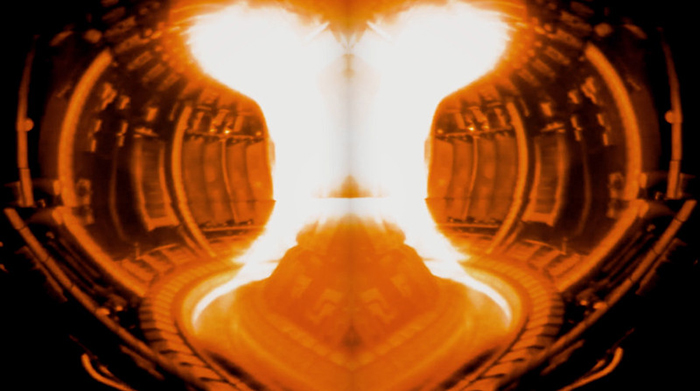
Image courtesy of This is Engineering under Attribution-NonCommercial-NoDerivs 2.0 Generic Deed, resized to 700 x 391 pixels.
Fusion energy is often discussed as a promising technology for the future, and it seems Commonwealth Fusion Systems (CFS) is now taking a step toward the infrastructure needed to make that future possible. The company has applied to connect its planned ARC power plant to PJM Interconnection, the largest U.S. wholesale electricity market.
Details of CFS’ Fusion Energy Interconnection Application
The application is notable because it is the first time a nuclear fusion power plant developer has sought entry into a major regional grid operator’s interconnection process (PJM serves 65 million people across 13 states and Washington, D.C.).
For CFS, the filing is more than paperwork. It requires planning for the plant’s power-delivery systems – including steam, turbine, and generating equipment – as well as the fusion technology itself. PJM will use engineering studies and grid simulations to assess how the proposed facility would perform within the regional network. Dominion Energy, which is working with CFS through a joint development agreement, advised the company on navigating the process.
The timing reflects the long runway for major energy projects. Interconnection studies and related steps can take several years, so beginning now is intended to help keep the project on track to deliver electricity in the early 2030s. CFS plans to build the 400-megawatt ARC plant in Chesterfield County, Virginia, in a region where electricity demand is expected to grow substantially.
The company has named the site Fall Line Fusion Power Station, a reference to Virginia’s Fall Line, where rivers historically powered mills. The project follows other development milestones, including a commercial power plant permit and electricity offtake agreements with Google and Eni.
The application does not mean the plant is approved or that fusion energy is already available. It does, however, move the proposal into a formal technical review and highlights a broader challenge for emerging energy technologies: demonstrating not only that a power source can work, but also how it can connect to and serve the grid while preserving full emergency preparedness.