Hydroelectric Power is Critical but at Risk in the U.S.
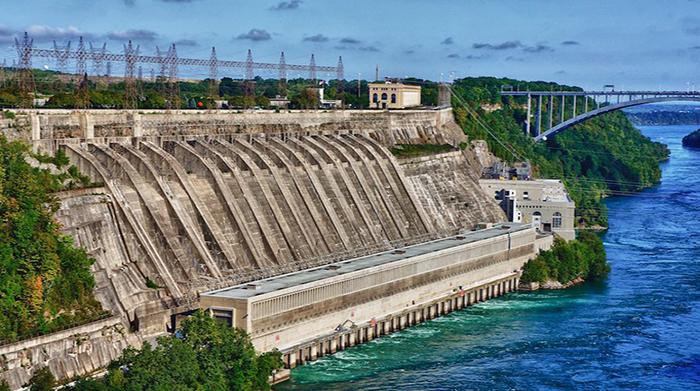
Image courtesy of Peter Rood under Attribution-NonCommercial 2.0 Generic Deed, resized to 700 x 391 pixels.
Hydroelectric power holds an important role in the U.S. energy mix, serving around 25 million people and accounting for 6% of the country’s total energy consumption, but its sustainability is at risk. In fact, a recent survey from the Hydropower Foundation indicated that over a third (36%) of all U.S. hydroelectric operators are considering taking their hydro assets offline. The burning question is – why?
Why is the U.S. Hydroelectric Industry Teetering?
There are multiple reasons that have led to this current state of affairs. The main reason is the sheer bureaucracy involved with renewing federal operating licenses. Although these licenses only need to be renewed every 30-50 years, on average it takes an eye-watering 8 years to execute a renewal!
The license-renewal timeframe is so long because there is no centralized agency in control, and the renewal requires feedback and approvals from dozens of federal, state, tribal and local authorities. The process is also plagued by contradictory requirements and a poorly-defined resolution process for disagreements.
Other, more tertiary reasons for hydro’s at-risk status include cumbersome dam and safety requirements, declining prices from other energy sources, and rising operating costs. In addition, some equipment dates back nearly 130 years (the average age of a hydro plant is 64 years old), which can make it difficult to make repairs and replace parts.
This is problematic for a few reasons, not the least of which is that reliability depends on diversity – if hydro ceases to be a viable generation source, it would likely increase overall industry risk. Additionally, any clean energy goals will likely require a hydro component for feasibility. Finally, hydro power has so-called “black start” capability, which allows operators to quickly restore power after a service interruption and is critical from an emergency preparedness perspective.
In the final analysis, I believe the license-renewal process needs to be overhauled as a means to preserving the feasibility of providing hydroelectric power going forward.