How Utilities Are Boosting Reliability with Distributed Energy Resources (DERs)
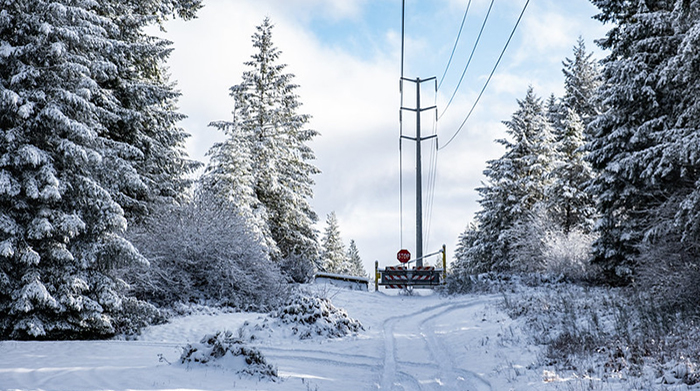
Image courtesy of David Seibold under Attribution-NonCommercial 2.0 Generic Deed, resized to 700 x 391 pixels.
More and more electric utilities are turning to distributed energy resources (DERs) to help maintain reliability in the face of increasingly volatile weather trends and patterns (not to mention growing cybersecurity challenges, geopolitical conflicts, physical breach events, etc.).
Traditional approaches to optimizing reliability, like building more power plants and transmission lines, are more expensive and difficult to implement compared to previous generations. That said, distributed energy resources offer a promising alternative.
Why Utilization of Distributed Energy Resources (DERs) Makes Sense
DERs are smaller power generation or storage resources that are located close to the point of consumption. They can include solar panels, wind turbines, energy storage technologies, and controllable loads.
One way utilities can use DERs to boost reliability is as a backup power source – for example, installing solar battery storage systems at critical facilities like hospitals, fire stations, nursing homes, and police stations which could then provide power to these facilities during an outage to enable them to maintain continuity of operations.
Another great example of the beneficial nature of these technologies is their ability to improve the stability of the grid. For example, reactive power is needed to maintain balanced voltage levels across the system, and DERs could be utilized to provide reactive power support that helps prevent voltage collapse and blackouts.
In addition, DERs can be used to reduce the load on the grid during peak demand periods. For example, a utility could offer incentives to customers to install solar panels and use them to generate their own electricity during peak demand periods, reducing the amount of generation capacity needed, which can help to prevent overloads and blackouts.
Yes, all this is great, but one word of caution – integrating DERs into the grid can be challenging. For example, DERs can be intermittent, meaning that they do not always generate power when it is needed, and they are often scatted across different locations throughout the grid, which can make it difficult to control them.
Despite these challenges, DERs offer several ways to enhance reliability, from providing backup power, to improving grid stability, to reducing peak demand.