Optimizing Utility-Scale Solar Farm Damage Assessment
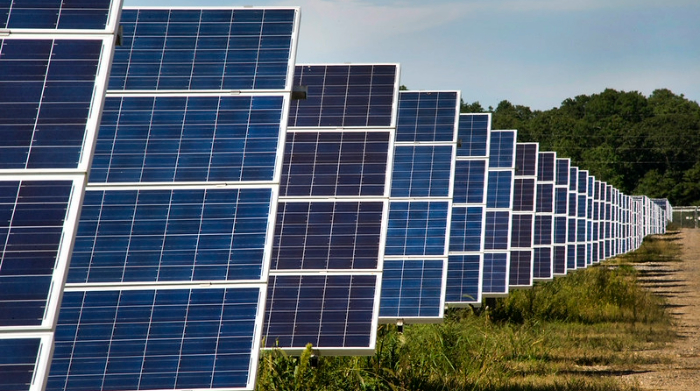
Image courtesy of Brookhaven National Laboratory under Attribution-NonCommercial-NoDerivs 2.0 Generic Deed, resized to 700 x 391 pixels.
As the number of large-scale solar farm deployments increases across the U.S., electric utilities need to understand the most efficient ways to evaluate damage to these facilities in the event of a disaster. For today’s blog post, I thought I’d shed some light (pun intended) on a few best practices that utilities should adopt in this regard.
How to Efficiently Assess Solar Farm Damage
First and foremost, safety is the #1 priority. Solar panel damage generally occurs from hail damage, or when things like falling debris and downed trees crash into the infrastructure. This usually happens with storm activity, and as such, conditions may be less than safe. Therefore, it is critical to ensure that the site is safe to enter, to de-energize the system before beginning any inspection, and of course, to wear personal protective equipment (PPE) like gloves, safety glasses, and arc-rated clothing.
Next, conduct a thorough visual inspection. Look for any signs of damage to the panels, racking, inverters, transformers, and other equipment. Check for broken glass, cracked panels, bent frames, and loose wiring. Inspect the grounding system for any damage or corrosion. Take photos and videos from multiple angles, noting the date, time, and location of the damage.
Another important tip is to test the electrical components to determine the extent of the damage. Use a multimeter to check the voltage and current of the solar panels and inverters, perform insulation resistance tests to check for any ground faults, and use a thermal camera to identify any hot spots or overheating components.
Once all the data has been obtained, the next step is to analyze it to determine the cause of the damage, the estimated repair costs, and what it’ll take to restore the infrastructure. Finally, prepare a detailed report of the damage assessment that can be shared with the solar farm owner, insurance company, and other stakeholders.
And that, my friends, is all there is to it. Good luck!