Solving the DER Connection Bottleneck
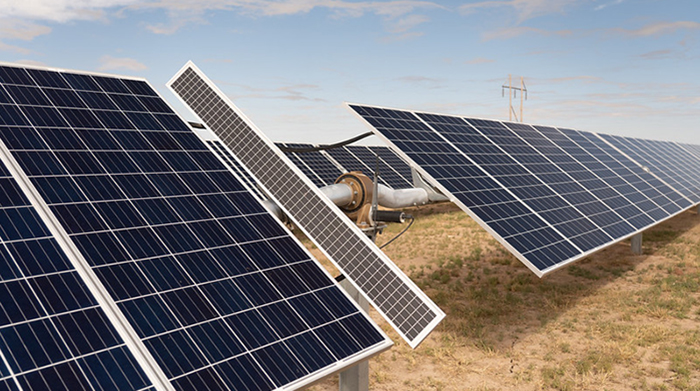
Image courtesy of Jonathan Cutrer under Attribution-NonCommercial 2.0 Generic Deed, resized to 700 x 391 pixels.
I read an interesting article the other day published by Power Magazine that delved deep into a significant bottleneck that is slowing down the process of connecting new energy resources to the grid, particularly distributed energy resources (DERs). The interesting thing about this is that the bottleneck isn’t primarily technological, but rather stems from outdated utility practices and inadequate grid infrastructure.
Root Cause of the Connection Bottleneck
The core of the problem lies in the current interconnection study process. Utilities often rely on manual, time-consuming methods to assess the impact of new DERs on the grid. This can involve lengthy queues, complex studies that are difficult to complete efficiently, and a lack of standardized processes. As a result, projects can face multi-year delays.
The biggest issue relates to outdated planning models utilized by utilities that don’t adequately account for the dynamic nature of DERs. These models often assume a one-way flow of electricity, failing to capture the complexities of two-way power flows and the potential for DERs to both consume and export power.
To overcome this hurdle, utilities need to embrace a more proactive and modernized approach. This includes investing in advanced grid technologies such as advanced distribution management systems (ADMS) and utilizing sophisticated data analytics and visualization tools. Automation of the interconnection study process is also crucial, moving away from manual reviews towards more streamlined, data-driven workflows.
In addition, instead of broad, system-wide studies, utilities should focus on specific substations or feeders where DER penetration is high, as this can lead to more efficient and accurate assessments. Collaboration and information sharing with DER developers can also help streamline the process and identify potential issues early on.
Ultimately, overcoming the DER interconnection bottleneck requires a fundamental shift in how utilities plan, operate, and manage their distribution grids. Click on the link above to read the full article.