How Self-Healing Power Lines are the Next Step Toward Reliability
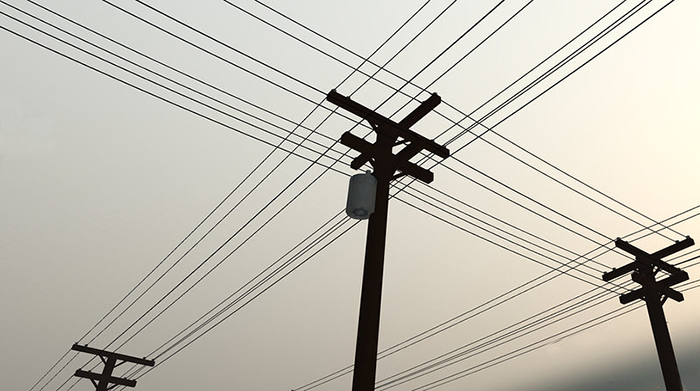
Image courtesy of Melusina Parkin under Attribution-NonCommercial-ShareAlike 2.0 Generic Deed, resized to 700 x 391 pixels.
Self-healing power lines may seem like something from the distant future, but, lucky for us, the future is now!
It’s true – utility companies are exploring innovative solutions to boost the reliability of the grid, and one of the most promising is self-healing technology for power lines. This advanced system aims to expedite power restoration by automatically isolating faults and rerouting electricity. It’s the ultimate emergency preparedness tactic – resolve the outage before it even occurs!
How Self-Healing Power Lines Work
At its core, self-healing technology relies on sophisticated sensors and intelligent automation deployed along the power distribution network. These sensors continuously monitor the flow of electricity and can detect anomalies, such as a sudden drop in voltage or a surge indicating a fault.
When a fault is identified, the self-healing system swiftly acts to mitigate the issue. It can automatically open circuit breakers to isolate the damaged section of the line, preventing further damage and protecting equipment. Simultaneously, it can intelligently reroute power through alternative pathways, minimizing the number of customers affected and the duration of any potential outage.
Duke Energy, for one, is actively investing in and preparing to deploy this transformative technology. Duke has indicated plans to integrate self-healing capabilities into its grid modernization efforts in the coming years, initially focusing on areas with a history of frequent outages or those serving critical infrastructure. The company views this as a crucial step in building a more resilient and reliable energy future, one that can better withstand the challenges of extreme weather events and an aging infrastructure.
The widespread adoption of self-healing power lines promises a significant reduction in outage durations and improved customer satisfaction. By enabling the grid to automatically detect, isolate, and bypass faults, utilities can move towards a more proactive and responsive system, ensuring that power flows uninterrupted to homes and businesses alike.