How Electric Utilities are Preparing for the 2026 Hurricane Season
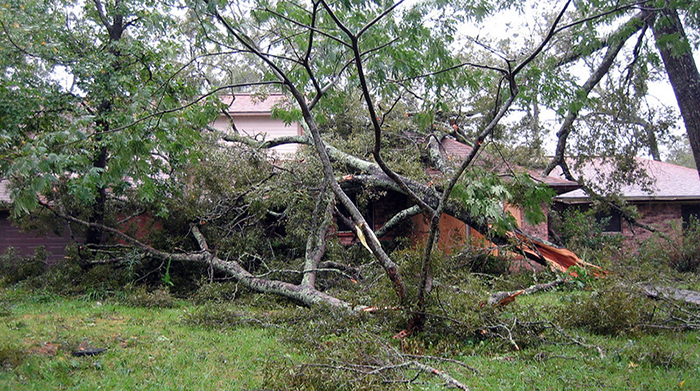
Image courtesy of dasroofless under Attribution-NonCommercial-NoDerivs 2.0 Generic Deed, resized to 700 x 391 pixels.
Although the severity of the 2026 hurricane season is expected to be average to below average, it’s still necessary to prepare for the worst. Electric utilities are gearing up right now, enhancing grid resilience, improving restoration capabilities, and ensuring the safety of both crews and the public. Most of the strategies and tactics are not surprising, but several are unique. Let’s take a closer look.
Storm Readiness for the 2026 Hurricane Season
One key area of preparation for the 2026 hurricane season is infrastructure hardening, including undergrounding power lines in vulnerable coastal areas, a costly but effective measure against high winds and storm surge.
Florida Power & Light (FPL) has been a leader in undergrounding initiatives, particularly in flood-prone regions, significantly reducing outages during past named storms. Similarly, Entergy, operating in the Gulf Coast states, is strengthening transmission towers and poles to withstand higher wind speeds, incorporating advanced materials and designs. Entergy has also proactively executed other storm-readiness tactics like utility pole inspections, transmission line and power plant inspections, additional vegetation management, and more.
Smart grid technologies are also playing an increasingly vital role. Automated switching systems are being deployed to isolate damaged sections of the grid, reroute power, and minimize the number of customers affected. Additionally, predictive analytics, leveraging AI weather forecasting and historical data, helps utilities anticipate potential damage hotspots and pre-position resources accordingly. Another tactic involves enhancing mutual assistance agreements to ensure a rapid influx of skilled personnel and equipment when widespread damage occurs.
Finally, despite being regulated entities, we still need to keep customers in mind. Public safety remains paramount, demanding a constant reassessment and refinement of things such as communication strategies, the provision of real-time outage updates through apps, social media, and 211 hotlines, and coordination with emergency management agencies to ensure safe evacuation routes and to establish protocols for restoring power to critical facilities like hospitals.
All of this is highly encouraging. I hope the 2026 hurricane comes and goes with a whimper, but if not, it’s reassuring to know that proactive measures are being taken to ensure preparedness.