Why Cuba’s Electrical Grid Went Dark Yet Again
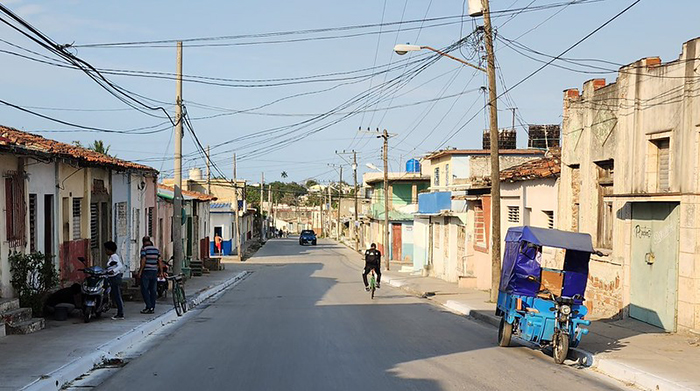
Image courtesy of lezumbalaberenjena under Attribution-NonCommercial-NoDerivs 2.0 Generic Deed, resized to 700 x 391 pixels.
Cuba’s electrical grid went completely offline on 7/6/26. The entire island lost power for the eighth time in less than 2 years. It’s unfathomable how degraded the island’s grid has become. In fact, the country is close to collapse with potable water and medical supplies waning. The burning question: is there a feasible solution to this problem?
Can Anything be Done to Improve the Reliability of Cuba’s Electrical Grid?
Cuba’s electrical grid has faced significant challenges for decades, leading to frequent blackouts that disrupt daily life for its citizens. The primary culprit is the aging and decaying state of the nation’s infrastructure.
The majority of Cuba’s power plants rely on Soviet-era technology, which is notoriously inefficient and prone to breakdowns. Compounding this issue is a persistent lack of investment in modernization and maintenance, exacerbated by the ongoing U.S. embargo, which limits Cuba’s access to crucial spare parts and advanced technologies.
The economic realities of Cuba also play a significant role. The country’s socialist economic model struggles to generate the capital needed for substantial infrastructure upgrades. Dependence on imported fossil fuels, primarily oil, further exposes Cuba’s power grid to volatile global energy prices and supply chain disruptions.
Again, the question – is there any hope for the people of Cuba in the short term? Well, there are options, but all of them have challenges.
To improve reliability, Cuba should, at a minimum, focus on rehabbing and upgrading existing power plants, as well as expanding usage of renewable energy sources to diversify beyond fossil fuels. Things like rooftop solar panels could also potentially help decentralize the grid and make it more resilient to large-scale failures.
Of course, moving the needle relies upon an easing of some trade restrictions related to energy infrastructure and technology, potentially through international partnerships. Until these restrictions, and the economic challenges they bring, are at least partially alleviated, there not much hope for improving Cuba’s electrical grid in the near future.